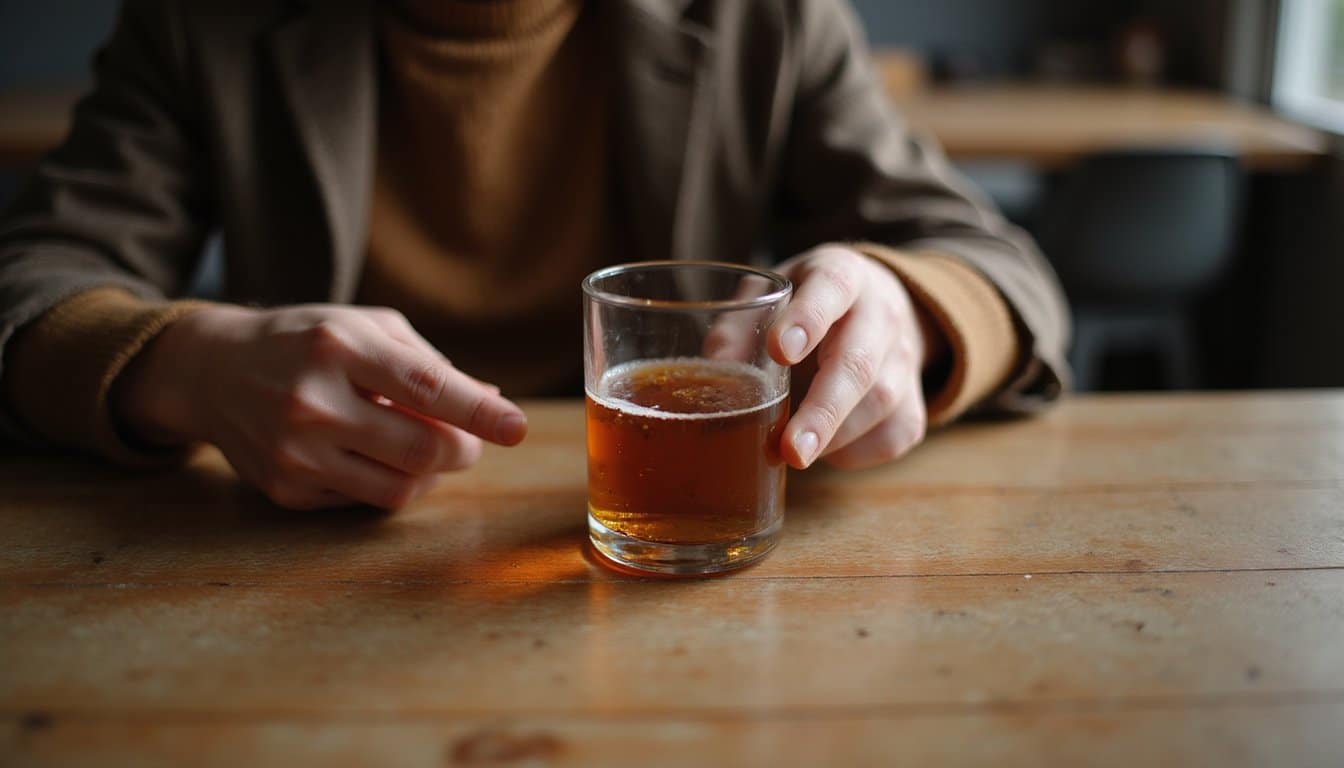
Alcohol relapse is when you return to drinking after a period of sobriety it’s not a single slip but a process that unfolds over time. Key warning signs include withdrawing from your support network, glamorizing past drinking, bottling up emotions, and reconnecting with old drinking circles. Research shows 40% to 60% of people in recovery experience at least one relapse. It’s not a failure it’s a clinical setback, and the strategies below can help you stay on track. Understanding the causes of alcoholic relapse can significantly aid in preventing it. Many individuals fail to recognize the emotional triggers that initiate these relapses, such as stress or unresolved trauma.
What Alcohol Relapse Actually Means

When someone returns to drinking after a period of sobriety, that’s alcohol relapse and it’s one of the most common challenges in addiction recovery. By alcohol relapse definition, it’s a full return to drinking behavior, distinct from a one-time slip-up. It involves consciously seeking out alcohol and departing from your recovery plan.
Understanding return to drinking behavior means recognizing it as a process, not a single moment. Psychological dependence alcohol creates lasting brain changes that drive cravings long after you’ve stopped drinking. These internal shifts often surface as relapse warning signs alcohol users should monitor like romanticizing past use or withdrawing from support systems.
Relapse isn’t failure. It’s a clinical setback that signals your treatment strategy needs adjustment.
Why Your Brain Keeps Pushing You Toward Relapse
Several mechanisms drive alcohol relapse:
- Prefrontal cortex dysfunction reduces your impulse control during high-risk moments
- Dopamine dysregulation demands escalating consumption to achieve the same reward
- Amygdala-driven cue reactivity strengthens alcohol memories after even brief exposure
- HPA axis disruption fuels stress-induced relapse to alcohol through elevated cortisol and persistent negative emotions
Understanding these pathways isn’t discouraging it’s empowering. Each mechanism responds to targeted interventions, from cognitive behavioral therapy to medications that recalibrate your brain’s stress and reward systems. Research from UC San Francisco has shown that inhibiting the mTORC1 pathway in the amygdala after cue exposure may suppress alcohol-seeking behavior for up to 14 days, pointing toward promising new pharmacological approaches for preventing relapse.
Alcohol Relapse Triggers You Might Not See Coming

Most people in recovery can identify obvious triggers like walking past a bar or attending a party where drinks flow freely. But many triggers for alcohol relapse operate beneath your awareness. External environmental triggers include sensory cues a specific song, a familiar smell, or even a time of day your brain links to drinking.
Emotional triggers and relapse responses can surprise you, too. Positive emotions like celebration or relief can activate cravings just as powerfully as stress or sadness. Overconfidence in your recovery creates dangerous blind spots, lowering your guard when vigilance matters most.
Cross-substance exposure, unresolved trauma patterns, and glamorizing past drinking also increase alcohol relapse risk. Inadequate social support can compound these hidden triggers by fostering isolation that makes you more vulnerable to cravings. You can’t eliminate every trigger, but recognizing these hidden vulnerabilities helps you build targeted coping strategies before they escalate into physical relapse.
Warning Signs That an Alcohol Relapse Is Building
Although relapse often feels like a sudden event, it’s actually a gradual process that builds through recognizable stages and knowing what to look for gives you a real advantage. An alcohol relapse typically begins long before you pick up a drink. Emotional relapse surfaces first through subtle shifts in your internal state.
Relapse doesn’t start with a drink it starts with subtle emotional shifts you can learn to recognize early.
Watch for these early relapse warning signs:
- Withdrawing from support networks and skipping recovery meetings
- Bottling up emotions rather than processing stress constructively
- Glamorizing past drinking while minimizing its consequences
- Reconnecting with old drinking circles or frequenting triggering environments
These behavioral patterns addiction relapse follows are predictable. When you notice emotional instability, isolation, or increased cravings, treat them as actionable signals not personal failures. Early intervention at this stage can redirect your recovery before physical relapse occurs.
How to Prevent Alcohol Relapse and Bounce Back

Because relapse is a process rather than a single moment, you can intervene at every stage and the strategies that work best combine professional treatment, medication, lifestyle changes, and strong social support.
Start with personalized relapse prevention plans developed alongside a licensed addiction counselor. These plans address your specific triggers and outline concrete responses. Medications like naltrexone or acamprosate can reduce cravings considerably.
Trigger avoidance is essential remove alcohol from your home, distance yourself from high-risk environments, and build exit strategies for unexpected situations.
Strengthen your support networks through groups like AA or SMART Recovery, and surround yourself with people who reinforce your recovery. Add mindfulness, regular exercise, and proper nutrition. If alcohol relapse occurs, treat it as a course correction, not a defeat.
Make the Call That Keeps You on Track
Recovering from alcohol addiction and preventing relapse can be a difficult process, but the right support can make all the difference. At NJ Recovery Resource Center, we connect you with reliable Life Skills Education & Relapse Prevention programs designed to help you stay focused, supported, and on the path to recovery. Call (856) 446-3765 today and take the next step toward lasting sobriety.
Frequently Asked Questions
Can Medications Like Naltrexone Completely Eliminate Alcohol Cravings After Prolonged Use?
Naltrexone can’t completely eliminate your alcohol cravings, but it can greatly reduce their intensity. It works by blocking opioid receptors in your brain, which diminishes the rewarding effects of drinking. You’ll likely still experience some cravings, especially during high-stress moments or exposure to triggers. That’s why it’s most effective when you combine it with counseling and behavioral therapy. Don’t view it as a cure think of it as a powerful tool supporting your broader recovery plan.
How Long Does Altered Brain Dopamine Signaling Typically Persist After Achieving Sobriety?
Your brain’s dopamine signaling can remain altered for months to years after you stop drinking, depending on how long and heavily you used alcohol. During this time, you may experience reduced pleasure from everyday activities and heightened cravings. The good news is your brain does heal gradually. Engaging in regular exercise, therapy, and structured recovery activities can support dopamine recovery and help you rebuild healthier reward pathways over time.
Does a Single Lapse Always Lead to a Full Alcohol Relapse?
No, a single lapse doesn’t automatically lead to a full relapse. If you slip and have one drink, you can still course-correct by recognizing what triggered it and re-engaging your coping strategies. Research shows that a lapse becomes a relapse only when it’s followed by decreased self-efficacy and continued drinking. By identifying your triggers early and leaning on your support system, you can prevent a brief slip from escalating further.
Are Relapse Rates Higher for Alcohol Compared to Other Substance Use Disorders?
Alcohol relapse rates aren’t dramatically different from other substance use disorders. You’ll find that relapse rates across most addictions including alcohol, opioids, and nicotine fall within the 40 to 60 percent range, according to the NIAAA. This similarity reinforces that addiction is a chronic condition, not a personal failing. What matters most is how you respond to relapse by adjusting your treatment plan and strengthening your support systems.
Can Genetic Factors Determine How Likely Someone Is to Experience Relapse?
Yes, genetic factors can influence your likelihood of relapse. Research suggests that genetics account for roughly 50 percent of your susceptibility to alcohol use disorder, which includes relapse vulnerability. Your genes affect how your brain processes dopamine and other neurotransmitters tied to reward and cravings. However, genetics aren’t destiny they’re one piece of the puzzle. You can work with your treatment team to develop personalized strategies that account for your unique biological makeup and strengthen your recovery.