Celexa works effectively for anxiety even though it’s only FDA-approved for depression. You can expect 50-65% odds of meaningful improvement when taking this SSRI for generalized anxiety, social anxiety, or panic disorder. It increases serotonin levels in your brain, which gradually suppresses stress responses over 8-12 weeks. Doctors typically start you at 10-20 mg daily, with a maximum of 40 mg. Understanding the timeline, side effects, and dosage adjustments will help you navigate your treatment successfully. Celexa works effectively for anxiety, even though it is only FDA-approved for depression. You can expect a 50 65% chance of meaningful improvement when using this SSRI for conditions like generalized anxiety, social anxiety, or panic disorder. Understanding the celexa dosage range for anxiety is important, as it typically starts at 10 20 mg daily, with a maximum of 40 mg. The medication increases serotonin levels in the brain, gradually reducing stress responses over an 8 12 week period. Being aware of the treatment timeline, potential side effects, and necessary dosage adjustments will help you navigate the process more effectively.
Does Celexa Actually Work for Anxiety?

While Celexa (citalopram) carries FDA approval only for depression, clinical evidence supports its effectiveness for anxiety disorders. As an SSRI antidepressant, citalopram increases serotonin availability in your brain, regulating mood and reducing anxiety symptoms like worry, tension, and restlessness. In addition to its primary use for depression, many healthcare providers prescribe celexa off-label for various related conditions. Patients often seek information on what is celexa used for beyond its approved indications, looking for solutions to manage their anxiety effectively. Continued research may reveal even more potential applications for this versatile medication in mental health treatment.
Research demonstrates meaningful symptom improvement across patient populations. In one retrospective study, 13 patients with generalized anxiety disorder achieved full or partial improvement after 12 weeks of treatment. Among anxious youth, 51% experienced a 50% or greater reduction in anxiety scores. Elderly participants showed a 65% response rate compared to 24% on placebo. Studies also show that combining antidepressant medication with cognitive-behavioral therapy is particularly effective for treating GAD in older adults.
You should understand that effectiveness varies individually some patients experience excellent relief while others may respond better to alternative SSRIs. Celexa manages symptoms but doesn’t cure anxiety, making combined therapy approaches essential.
Why Doctors Prescribe Celexa Off-Label for Anxiety
Off-label prescribing using medications for conditions beyond their FDA-approved indications forms a cornerstone of modern psychiatric practice. While Celexa received FDA approval exclusively for major depressive disorder, substantial clinical evidence supports its medication effectiveness for anxiety disorders. When anxiety and depression occur together, Celexa offers the advantage of treating both conditions simultaneously, often producing better outcomes than addressing each separately.
Your doctor may recommend Celexa off-label for these primary conditions:
- Generalized anxiety disorder (GAD) Studies demonstrate significant reduction in excessive worry, tension, and physical symptoms
- Social anxiety disorder Research shows decreased anticipatory anxiety and self-consciousness in social situations
- Panic disorder Clinical trials indicate reduced frequency and intensity of panic attacks
The pharmacological rationale centers on serotonin regulation, which influences both mood and anxiety pathways. Approximately 50-65% of patients with anxiety disorders experience meaningful improvement with SSRI treatment, justifying Celexa as a reasonable first-line option despite its off-label status.
How Celexa Calms Anxiety in Your Brain

Understanding how Celexa produces its calming effects requires examining its direct action on brain chemistry. As a selective serotonin reuptake inhibitor, citalopram blocks transporter proteins that normally remove serotonin from synaptic spaces between neurons. This blockade increases serotonin levels in your brain, enhancing neurotransmission essential for mood regulation.
Your brain’s response to this reuptake inhibitor extends beyond simple serotonin elevation. Chronic treatment triggers 5-HT₁A receptor upregulation in the prefrontal cortex and hippocampus regions critical for emotional processing. These receptors help suppress stress-induced dopamine and noradrenaline responses, allowing anxiety symptoms to diminish during stressful situations. Research shows that chronic citalopram treatment attenuates the noradrenaline response to handling stress through sensitization of α2-adrenoceptors.
While serotonin rises within hours of your first dose, the calm you’re seeking from GAD treatment develops gradually. Full therapeutic benefits require 8-12 weeks as downstream receptor changes and compensatory mechanisms activate throughout your nervous system.
Recommended Celexa Dosage for Anxiety
The neurochemical changes occurring in your brain establish the foundation for therapeutic benefit, but achieving ideal results depends on precise dosing. Since Celexa lacks FDA approval for anxiety, off-label use for anxiety follows depression protocols with careful dosage adjustments.
Your provider will likely initiate treatment using these parameters:
- Starting dosage: 10-20 mg daily, with 10 mg preferred to minimize initial side effects
- Therapeutic dosage range: 20-40 mg daily for sustained anxiety reduction
- Maximum dosage: 40 mg daily due to cardiac risk at higher levels
The standard dosage reaches 20 mg once daily for most adults. However, the dose limit drops to 20 mg for patients over 60 or those with hepatic impairment. Any dosage range increase should occur at minimum one-week intervals under medical supervision.
How Long Before Celexa Relieves Anxiety?
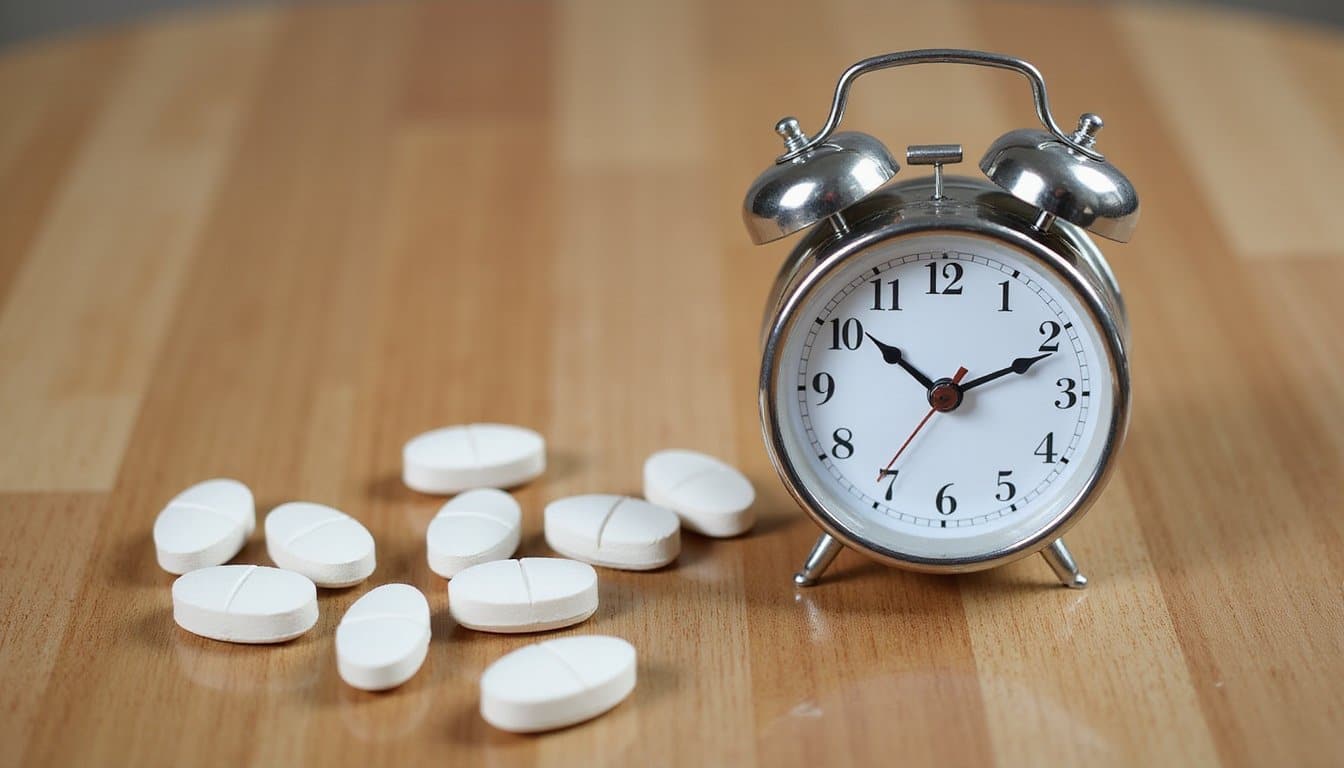
How quickly can you expect Celexa to ease your anxiety symptoms? The onset of action typically begins within 2-4 weeks, when you may notice reduced worry, improved sleep, and less physical tension. Does Celexa help with anxiety right away? Unlike fast-acting medications, Celexa requires patience as your brain chemistry gradually rebalances.
Research confirms that Celexa for anxiety delivers initial relief around weeks 2-4, but full therapeutic effects require 8-12 weeks of consistent use. Is Celexa good for anxiety long-term? Clinical trials show 50-65% of patients experience significant improvement when they maintain their regimen.
Clinical expectations and patience are essential early side effects often precede benefits. Does Celexa treat anxiety effectively? If you’ve seen no improvement after 6 weeks, your provider may adjust your dose to optimize your response.
Common Celexa Side Effects to Expect
When you start taking Celexa, you may experience nausea and dry mouth as the most frequently reported gastrointestinal side effects, though these typically subside after your body adjusts to the medication. Sexual dysfunction, including decreased libido and ejaculation difficulties, affects a significant percentage of users and often persists throughout treatment. You should also anticipate potential drowsiness and increased sweating, which can impact daily activities but generally become more manageable over time.
Nausea and Dry Mouth
Nausea and dry mouth rank among the most frequently reported side effects of Celexa, each affecting approximately 20-21% of patients during treatment. These side effects stem from serotonin’s influence on your body elevated levels affect your gastrointestinal system, triggering nausea, while SSRI action reduces saliva production, causing dry mouth.
Management strategies include:
- Take Celexa with food and maintain consistent hydration to minimize nausea severity
- Chew sugar-free gum or use saliva substitutes to stimulate moisture and combat dry mouth
- Avoid alcohol-based mouthwashes that worsen oral dryness
Both side effects typically resolve within the first few weeks as your body adjusts to the medication. If nausea persists beyond this adjustment period, you should consult your healthcare provider to evaluate whether dosage modifications or alternative treatments are necessary.
Sexual Dysfunction Issues
Beyond gastrointestinal discomfort, sexual side effects represent another significant concern for Celexa users and one that’s frequently underreported in clinical settings. Research indicates 54% of participants experience decreased libido, while 36% report difficulty achieving orgasm. Men may encounter erectile dysfunction or delayed ejaculation, whereas women often experience vaginal dryness and reduced desire.
These effects stem from elevated serotonin levels and may emerge shortly after starting treatment. While some symptoms resolve within weeks, others persist throughout medication use. Your provider can recommend a dosage adjustment or switch to alternatives like Lexapro, Zoloft, mirtazapine, or buspirone. Dapoxetine serves different purposes but illustrates the range of serotonin-affecting medications available.
An individualized approach accounting for your personal history guarantees optimal treatment. Open communication with your healthcare provider remains essential for managing these concerns effectively.
Drowsiness and Sweating
Several users experience drowsiness and sweating as common Celexa side effects, though clinical studies show these symptoms often align closely with placebo rates. Citalopram-induced drowsiness typically manifests as fatigue and sluggishness during the first one to two weeks as your body adjusts to elevated serotonin levels.
Sweating affects 4-22% of users and includes:
- Night sweats that disrupt sleep quality
- Hot flashes occurring without physical exertion
- Excessive perspiration from serotonin’s disruption of temperature regulation
Your body’s thermoregulatory system responds to increased serotonin by raising core temperature, triggering compensatory sweating. You can manage these effects by timing doses appropriately taking citalopram in the evening if drowsiness occurs or morning if experiencing insomnia. Hydration, moisture-wicking clothing, and consulting your provider about dose adjustments help minimize discomfort.
Celexa vs. Lexapro and Other SSRIs for Anxiety
When comparing Celexa to Lexapro for anxiety treatment, you’ll find that escitalopram (Lexapro) demonstrates slightly superior effectiveness, with studies showing higher remission rates and faster symptom relief often within one to two weeks versus Celexa’s four-week timeline. Lexapro isolates the active isomer of citalopram, making it more potent at lower doses and carrying FDA approval specifically for generalized anxiety disorder, while Celexa treats GAD only off-label. Your provider may also consider alternatives like Zoloft, which offers a wider dosage range for gradual titration, or other SSRIs depending on your symptom profile, cardiac risk factors, and treatment history. Celexa vs lexapro vs wellbutrin is a common consideration among patients exploring options for anxiety management. While Wellbutrin, primarily known as an antidepressant, is often used off-label for anxiety, it operates through different mechanisms than the SSRIs and may not be suitable for all individuals. It is essential to discuss these options thoroughly with your healthcare provider to determine the most appropriate choice based on your unique profile and needs.
Escitalopram Shows Greater Effectiveness
Although citalopram and escitalopram share a closely related chemical structure, clinical evidence demonstrates that escitalopram delivers superior therapeutic outcomes for anxiety disorders. As a celexa anxiety medication alternative, escitalopram proves more selective and achieves faster symptom control, leaving you feeling more relaxed with reduced anxious mood.
When evaluating is citalopram good for anxiety, consider escitalopram’s advantages:
- Faster onset in panic disorder 50% of patients became panic-free versus 38% on citalopram
- Equivalent or superior to paroxetine matching celexa effectiveness across GAD, social anxiety, and OCD measures
- Lower relapse rates patients showed 4.04 times higher relapse risk on placebo versus continued escitalopram treatment
Escitalopram’s minimal drug interactions and consistent tolerability profile make it particularly suitable when you’re managing comorbid conditions requiring multiple medications.
Comparing SSRI Treatment Options
Beyond escitalopram’s documented advantages, understanding how Celexa compares to the broader SSRI class helps you make informed decisions about anxiety treatment. Each medication normalizes serotonin levels differently, affecting both depression and anxiety symptoms through distinct profiles.
Fluoxetine produces stimulating effects beneficial for low-energy depression, while sertraline offers a wider dosage range allowing gradual titration. Paroxetine tends toward sedation, which may suit certain symptom presentations. Celexa remains a reliable, cost-effective option for off-label anxiety treatment, though its dual-molecule composition makes it less potent than refined substitutes.
Your response to any SSRI depends on individual neurochemistry, symptom severity, and treatment history. A mental health professional can evaluate these factors to determine ideal medication selection. Cost considerations also influence prescribing decisions, particularly when managing co-occurring disorders requiring sustained pharmacotherapy.
Signs Your Celexa Dose Needs Adjusting
Recognizing the signs that your Celexa dose needs adjusting can help you work more effectively with your prescriber to optimize treatment outcomes.
When your medication falls below the effective dose within the dosage range, you may notice persistent worry, tension, and restlessness despite consistent treatment. Conversely, excessive dosing produces distinct symptoms requiring evaluation.
Key indicators your dose requires adjustment:
- Low dose markers: Anxiety symptoms persist or worsen after 4-8 weeks, sleep disturbances emerge, or psychotherapy gains plateau due to unmanaged symptoms.
- High dose markers: Emotional numbness, excessive sedation, tremors, or digestive issues develop.
- Dosage imbalance: Sudden appetite or sleep pattern changes occur without external triggers.
Document these symptoms and their timing to provide your prescriber with actionable data for informed dosage modifications.
Frequently Asked Questions
Can I Drink Alcohol While Taking Celexa for Anxiety?
You can technically drink alcohol while taking Celexa, as it’s not immediately dangerous, but it’s strongly discouraged. Combining the two increases drowsiness, dizziness, and impaired coordination while reducing Celexa’s effectiveness. Alcohol worsens anxiety and depression symptoms, directly counteracting your treatment goals. The FDA and NHS recommend avoiding alcohol until you’ve assessed how Celexa affects you. If you choose to drink, limit yourself to one to two drinks maximum.
Is Celexa Safe for Children and Teenagers With Anxiety?
Celexa isn’t FDA-approved for children and teenagers under 18, though doctors sometimes prescribe it off-label for anxiety conditions like GAD and OCD. Research shows moderate effectiveness in youth aged 7-18, with about 51% of anxious subjects achieving significant symptom reduction. You should know it carries a black box warning for increased suicidal thoughts in those under 24. Side effects are generally mild and temporary, but close monitoring remains essential.
What Happens if I Suddenly Stop Taking Celexa?
If you suddenly stop taking Celexa, you’ll likely experience Antidepressant Discontinuation Syndrome. Symptoms typically begin within 1-5 days and include dizziness, nausea, headaches, irritability, and brain zaps. Peak intensity occurs around days 4-8, with 40% of people experiencing symptoms for at least six weeks. Severe cases may trigger depression relapse or suicidality. You shouldn’t stop abruptly consult your prescriber to develop a gradual tapering schedule that minimizes withdrawal effects.
Does Celexa Cause Weight Gain Over Time?
Yes, Celexa can cause weight gain over time. Studies show 55% of SSRI patients gained weight within three years of treatment, with Celexa carrying the highest probability among SSRIs. Contributing mechanisms include slowed metabolism, increased appetite, and fluid retention. You’ll typically notice minimal changes initially around 1-2 pounds yearly but longer duration and higher dosages correlate with greater risk. If you’re concerned, discuss monitoring strategies with your prescriber.
Can I Take Celexa While Pregnant or Breastfeeding?
You should avoid Celexa during pregnancy when possible, as it’s classified as FDA Category C. Animal studies show adverse fetal effects, and human research links SSRI use to preterm birth, low birth weight, and potential pulmonary hypertension in newborns. However, if you’re experiencing severe depression or suicidal thoughts, your doctor may determine benefits outweigh risks. During breastfeeding, citalopram passes through breast milk, potentially causing infant feeding difficulties and weight loss.