Adderall isn’t technically a diuretic, but it can still make you urinate more frequently. As a stimulant, it activates your sympathetic nervous system, forcing your kidneys to work harder while simultaneously suppressing your thirst signals. This creates a dangerous mismatch between fluid output and intake. Combined with vasoconstriction that reduces saliva production and increased sweating, you’re at significant risk for dehydration and kidney stress. Understanding these mechanisms helps you protect yourself. The concern of adderall and kidney disease is particularly relevant for those with pre-existing kidney conditions, as the increased urinary output can exacerbate their situation. Monitoring kidney function is essential for anyone using stimulants, especially in high doses, to avoid potential complications. It’s crucial to consult healthcare professionals to assess individual risks associated with prolonged use.
Is Adderall a Diuretic?
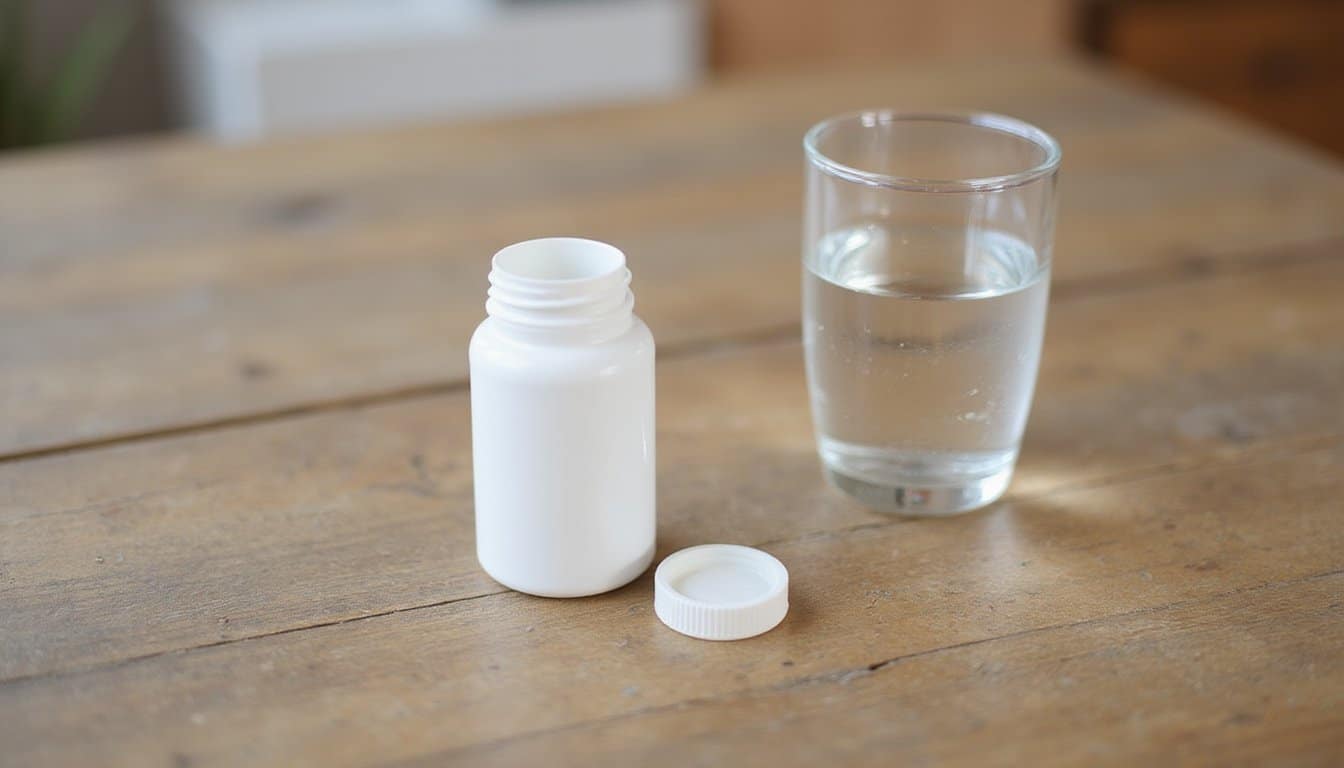
No, Adderall isn’t classified as a diuretic medication. It functions as a central nervous system stimulant, not a fluid-regulating agent. While diuretics work by increasing urine production through direct kidney function alteration, Adderall operates through neurotransmitter modulation specifically by raising dopamine and norepinephrine levels.
Interestingly, Adderall can actually cause difficulty urinating by stimulating contraction in your urinary bladder sphincter muscle. This effect is opposite to diuretic action and has even been used therapeutically for bladder control issues.
Your fluid balance may still be affected when taking Adderall, but not through diuretic mechanisms. Any dehydration risks stem from appetite suppression and reduced thirst cues rather than kidney-mediated diuresis. Understanding this distinction helps you manage hydration appropriately while using the medication. It’s worth noting that urinary pH levels significantly influence how quickly Adderall is eliminated from your body, with acidic urine increasing excretion rates. can adderall cause kidney problems is a valid concern for those considering its use. While studies specifically linking Adderall to kidney issues are limited, it’s important to monitor your overall health and kidney function during treatment. Staying hydrated and being aware of any changes in your body will help mitigate potential risks associated with this medication.
Why Adderall Makes You Pee More
Although Adderall doesn’t act as a diuretic, many users notice increased urination frequency while taking the medication. This occurs through several indirect mechanisms that affect your adderall fluid balance.
When you take Adderall, your sympathetic nervous system activates, elevating metabolism and increasing your body’s water demands. Your kidneys work harder to filter the medication and its byproducts, producing more urine. Simultaneously, appetite suppression reduces your fluid intake, creating a mismatch between output and consumption. Dry mouth caused by Adderall often leads users to drink more water, further contributing to increased urination frequency.
This imbalance contributes to dehydration adderall users commonly experience. Your kidneys require adequate hydration to filter waste efficiently. When fluid levels drop, you may develop kidney stress from dehydration as these organs strain to maintain function despite reduced water availability. Concentrated urine and increased urgency often result.
How Adderall Causes Dehydration

Adderall triggers vasoconstriction, which shrinks blood vessels throughout your body, including those in your gums this reduces saliva production and creates the dry mouth commonly called “Adderall tongue.” At the same time, stimulants suppress your natural thirst signals, so you’re less likely to recognize when your body needs fluids. These two mechanisms work together to greatly/markedly/considerably decrease your overall fluid intake while you’re on the medication. The amphetamines in Adderall also cause increased sweating, which further accelerates fluid loss from your body.
Vasoconstriction Reduces Saliva Production
When amphetamines activate the sympathetic nervous system, they trigger vasoconstriction that narrows blood vessels throughout your body including those supplying your salivary glands. This reduced blood flow directly impairs saliva production, causing persistent dry mouth even when you’re drinking adequate fluids.
| Effect | Mechanism |
|---|---|
| Reduced salivary flow | Constricted vessels limit gland perfusion |
| Xerostomia | Decreased moisture secretion from glands |
While asking “is Adderall a diuretic” addresses fluid loss, vasoconstriction explains why hydration alone doesn’t resolve oral dryness. The same vascular narrowing affects kidney perfusion, which raises concerns about whether is Adderall hard on kidneys over time. Though research on does Adderall hurt your kidneys remains limited, decreased renal blood flow from chronic vasoconstriction may contribute to long-term strain when combined with dehydration.
Suppressed Thirst Limits Intake
Because Adderall elevates norepinephrine levels in the brain, it actively suppresses your body’s thirst signals making you less aware you need water even as fluid loss accelerates. This neurochemical interference means you can develop significant fluid deficits before recognizing any need for hydration.
Adderall simultaneously suppresses your appetite, creating a compounded dehydration effect. When you eat less, you also consume fewer water-containing foods that normally contribute to your daily fluid intake. This dual suppression of hunger and thirst drastically reduces your total fluid consumption.
Meanwhile, Adderall’s diuretic properties increase urine production while stimulant effects trigger sweating. You’re losing fluid through multiple pathways urination, perspiration, reduced intake yet your brain isn’t signaling the danger. Without deliberate hydration practices, progressive dehydration develops throughout your medication’s duration.
Signs You’re Dehydrated From Adderall
Recognizing dehydration while taking Adderall requires attention to both physical and cognitive signals that can easily overlap with the medication’s expected effects. You may notice dark yellow urine, dry mouth, headaches, and muscle cramps indicating fluid loss. Your skin may feel dry, and you might experience increased thirst alongside a rapid heartbeat.
Cognitive symptoms complicate detection because dehydration causes fatigue, dizziness, confusion, and difficulty concentrating symptoms that mimic untreated ADHD. You might struggle with memory and mental clarity, mistakenly attributing these issues to medication ineffectiveness rather than fluid imbalance.
Watch for excessive sweating during stimulant-induced activity, unusual tiredness, and frequent urination. Severe cases may involve mood swings and electrolyte depletion affecting potassium, magnesium, and calcium levels. Constipation can also signal inadequate hydration requiring immediate attention.
What Adderall Tongue Says About Your Hydration
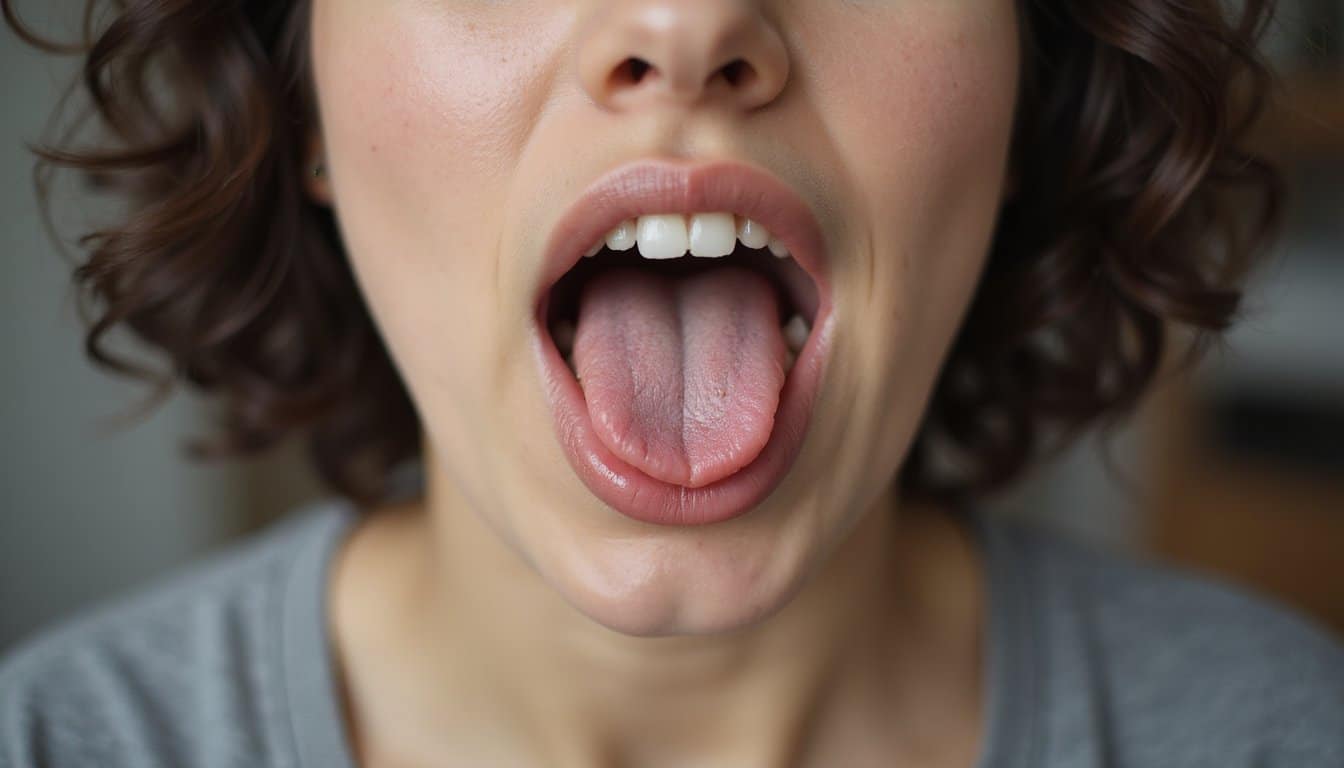
Your tongue offers a reliable window into your body’s hydration status while taking Adderall. When the medication triggers sympathetic nervous system activity, it suppresses saliva production and causes vasoconstriction in your gums, leading to dry mouth symptoms like cracking, white coating, or a burning sensation. Recognizing these oral changes early allows you to address dehydration before it progresses to more serious fluid imbalances affecting your overall health.
Dry Mouth Warning Signs
Although Adderall isn’t classified as a traditional diuretic, its effects on your mouth and tongue can reveal significant information about your hydration status. “Adderall tongue” refers to a constellation of oral symptoms including dry, cracked, or peeling tongue surfaces that emerge when amphetamines reduce saliva production and quality.
Watch for burning, tingling, or raw sensations on your tongue, especially when eating or speaking. You may notice tongue swelling, redness, or white patches alongside persistent bad breath. These symptoms often intensify after starting or increasing your Adderall dose.
Caffeine, alcohol, and tobacco compound these effects. If symptoms persist despite adequate water intake, active dehydration may be occurring. Without saliva’s protective function, you’re at heightened risk for dental caries, oral infections, and gum disease making early recognition essential.
Saliva Production Changes
Beyond these visible warning signs, the underlying mechanism reduced saliva production reveals how Adderall directly affects your body’s fluid balance.
Adderall’s amphetamine compounds trigger sympathomimetic effects that inhibit salivary secretion through two pathways: peripherally at your salivary glands and centrally at salivatory nuclei. The medication increases sympathetic nervous system activity, which directly suppresses saliva output. Research indicates this xerogenic effect operates primarily through central mechanisms involving alpha-adrenoceptors.
When your saliva production drops, you lose critical protective functions. Saliva normally buffers acids, fights bacteria with antibodies and enzymes, and maintains oral tissue hydration. Without adequate saliva, your mouth can’t combat plaque accumulation, bacterial overgrowth, or enamel erosion effectively.
This reduced salivary output also contributes to systemic dehydration, creating a cycle where insufficient fluids further limit your salivary glands’ ability to produce adequate saliva.
Recognizing Dehydration Early
When Adderall reduces saliva production, your tongue often displays the first visible evidence of developing dehydration. You’ll notice dryness, cracking, or a white coating across the surface. The edges may appear swollen or inflamed, while the texture feels rough or sticky. These changes, commonly called “Adderall tongue,” result from vasoconstriction in your gums that decreases saliva output.
Your tongue’s condition serves as an early warning system before more severe symptoms emerge. Dryness signals fluid loss that precedes dark urine, dizziness, or headaches. You should check your tongue hourly while taking Adderall and respond immediately to visible changes.
When you spot these signs, increase water intake and consume hydrating foods like watermelon or cucumbers. Persistent tongue dryness worsens ADHD symptoms by mimicking brain fog, compounding medication’s cognitive effects.
Kidney Risks for Long-Term Adderall Users
Long-term Adderall use carries several potential kidney risks that users and prescribers should monitor carefully. Chronic stimulant exposure elevates blood pressure and heart rate, straining your kidneys’ delicate filtration vessels. Dehydration from reduced fluid intake concentrates toxins, forcing your kidneys to work harder. In cases of kidney failure adderall use may exacerbate pre-existing conditions, leading to further complications. It’s important for individuals on medication to undergo regular kidney function tests, as this can help in identifying any irregularities early.
| Risk Factor | Mechanism | Consequence |
|---|---|---|
| Elevated blood pressure | Damages renal blood vessels | Impaired filtration |
| Chronic dehydration | Reduces renal blood flow | Acute kidney injury |
| Rhabdomyolysis | Myoglobin overwhelms kidneys | Tubular damage |
You should watch for warning signs including decreased urination, swelling in extremities, persistent fatigue, and back pain. If you have pre-existing kidney conditions or reduced GFR, you’re at substantially higher risk for nephrotoxicity. Regular kidney function testing helps detect problems early.
How Much Water to Drink on Adderall
When you’re taking Adderall, you’ll want to aim for at least 8-10 glasses of water daily, with many experts recommending half an ounce to one ounce per pound of body weight. Because Adderall can suppress your thirst cues, you shouldn’t wait until you feel thirsty instead, drink water consistently throughout the day using reminders or tracking apps. If you exercise regularly, you’ll need to increase your baseline intake before, during, and after physical activity to compensate for additional fluid losses.
Daily Hydration Guidelines
Proper hydration becomes essential during Adderall treatment because the medication can suppress your body’s natural thirst signals while simultaneously increasing metabolic demands. You should aim for a minimum baseline of 64 ounces daily, though adults typically require 9-13 cups for adequate hydration before accounting for stimulant effects.
Increase your intake beyond standard recommendations when taking Adderall. Spread water consumption throughout the day rather than drinking large amounts sporadically this approach improves fluid retention and supports cognitive function. Set phone reminders to prompt regular drinking, since you can’t rely on thirst cues alone.
Adjust your intake upward if you live in hot climates or engage in physical activity. Keep water bottles accessible throughout your environment. Monitor urine color: dark yellow or amber signals inadequate hydration requiring immediate correction.
Exercise Fluid Requirements
Physical activity while taking Adderall demands careful attention to fluid intake because the medication amplifies dehydration risk through multiple mechanisms. Vasoconstriction reduces saliva production, stimulant effects suppress thirst cues, and increased energy output accelerates sweat loss.
| Timing | Fluid Recommendation | Key Consideration |
|---|---|---|
| Pre-Exercise | 14-22 oz water, 2-4 hours before | Thirst suppression masks hydration needs |
| During Exercise | 7-10 oz every 10-20 minutes | Diuretic action increases urination frequency |
| Post-Exercise | Replace losses within 2 hours | Electrolyte replenishment essential |
Monitor urine color throughout your workout dark yellow signals inadequate hydration. You’ll need electrolyte replacement alongside water since sweat depletes potassium, magnesium, and calcium. Hyperfocus from Adderall often causes you to forget hydration breaks, so set timed reminders during sessions.
Best Electrolytes to Take With Adderall
Maintaining adequate electrolyte levels becomes particularly important during Adderall use because the medication can indirectly deplete these essential minerals through reduced food intake, increased physical activity, and fluid loss.
Adderall can quietly drain your electrolytes through appetite suppression, increased activity, and fluid loss making replenishment essential.
Standard electrolyte supplements containing sodium, potassium, magnesium, and calcium aren’t contraindicated with Adderall. However, you should avoid products containing high levels of vitamin C or citric acid near your dose, as these can affect urine acidity and medication absorption.
Suitable electrolyte options include:
- Pedialyte or Gatorade (vitamin C-free formulations)
- Low-sugar electrolyte powders mixed with water
- Coconut water for natural electrolyte replenishment
- Potassium-rich foods like bananas, avocados, and spinach
- Magnesium sources such as almonds and leafy greens
Time your electrolyte supplements with meals for ideal absorption, and maintain consistent hydration throughout the day.
Foods and Drinks That Make Dehydration Worse
While Adderall itself can reduce thirst signals and fluid intake, certain foods and beverages you consume alongside the medication can compound dehydration risk. Alcohol acts as a diuretic, increasing urine output considerably. Caffeinated drinks coffee, tea, and energy drinks also promote fluid loss. High-sugar beverages worsen dehydration by causing cells to transfer water and increasing urination.
| Beverage Type | Dehydrating Mechanism | Additional Risk Factor |
|---|---|---|
| Alcohol | Increases urine output | Higher ABV means greater fluid loss |
| Caffeinated drinks | Promotes diuresis | Energy drinks contain taurine (diuretic) |
| High-sugar sodas | Depletes cellular water | Creates false thirst satisfaction |
| Sweetened coffee/tea | Combined caffeine-sugar effect | Compounded dehydration risk |
| Fructose beverages | Increases urinary hyperosmolarity | Associated with renal oxidative stress |
You should pair any of these beverages with adequate water intake to mitigate cumulative dehydration effects.
When to See a Doctor for Dehydration Symptoms
How do you know when dehydration from Adderall use has become serious enough to require professional intervention? Monitor your body closely for escalating symptoms that indicate fluid loss has progressed beyond mild discomfort.
Seek immediate medical attention if you experience:
Recognizing when dehydration becomes dangerous could save your life don’t ignore warning signs that demand immediate medical care.
- Severe confusion or loss of consciousness
- Rapid heartbeat or chest pain
- Complete absence of urination or very dark urine
- Inability to keep fluids down for more than 24 hours
- Extreme dizziness or fainting episodes
These symptoms suggest your kidneys and cardiovascular system are under significant stress. A fever of 102°F or higher combined with dehydration symptoms warrants urgent evaluation. Don’t dismiss persistent thirst, sunken eyes, or skin that lacks elasticity these physical signs indicate your body’s fluid reserves are critically depleted and require clinical assessment.
Support Is Just a Call Away
Prescription drug dependency weighs heavily on both your body and your overall wellbeing, but lasting recovery is absolutely within reach. At New Jersey Drug Resource, we match you with the right Referrals & Assessments for Substance Abuse and Mental Health Treatment to set you on the right path. Call (856) 446-3765 today and let us help you build the life you deserve.
Frequently Asked Questions
Does Adderall Dehydration Affect How Long the Medication Stays in Your System?
Yes, dehydration can affect how long Adderall stays in your system. When you’re dehydrated, your kidneys filter less efficiently, potentially slowing amphetamine excretion. Since up to 80% of amphetamine leaves your body unchanged through urine, concentrated urine and altered urinary pH from dehydration may extend the medication’s presence in your circulation. You’ll maintain more consistent drug clearance by staying adequately hydrated throughout the day.
Can Certain Genetic Factors Make Adderall-Related Dehydration Worse for Some People?
Yes, genetic factors can intensify Adderall-related dehydration. If you’re a CYP2D6 poor metabolizer, you’ll experience 2-10 times higher plasma concentrations, prolonging dehydration effects. Variants in aquaporin-2 genes impair your kidneys’ water reabsorption, while AVPR1B receptor mutations reduce your thirst sensation. COMT Met/Met carriers face amplified vasoconstriction and sweat-induced fluid loss. NAT2 slow acetylators experience prolonged dry mouth, reducing fluid intake by 20-30%. These polymorphisms greatly influence your dehydration susceptibility.
Does the Time of Day You Take Adderall Influence Dehydration Severity?
Yes, timing affects dehydration severity. Morning doses coincide with peak activity levels, compounding fluid loss through sweating and increased urination. Afternoon doses extend dehydration into evening hours when you’re less likely to hydrate adequately. Evening administration poses particular risks since stimulant effects suppress thirst overnight when you can’t compensate with fluid intake. Split-dose regimens create sustained dehydration pressure throughout your day, preventing recovery periods between doses.
Will Switching to Adderall XR Reduce Dehydration Compared to Immediate-Release Formulas?
Switching to Adderall XR may reduce dehydration compared to immediate-release formulas. XR’s extended release creates steadier plasma levels, minimizing the peak-related intensity that triggers acute hyperthermia and sweat loss. You’ll experience fewer repeated thirst suppression episodes since you’re taking one dose instead of multiple IR doses daily. However, no direct studies confirm this difference. You should maintain the same hydration protocols regardless of which formulation you use.
Can Dehydration From Adderall Affect the Accuracy of Drug Testing Results?
Yes, dehydration from Adderall can affect drug testing accuracy. When you’re dehydrated, your urine becomes more concentrated, which elevates amphetamine metabolite levels per milliliter. Since up to 80% of amphetamine is excreted unchanged through urine, concentrated samples may trigger inflated readings above standard cutoff thresholds. Testing facilities may flag severely concentrated samples as invalid, requiring re-collection. You should maintain adequate hydration before testing to guarantee results reflect actual systemic drug levels.