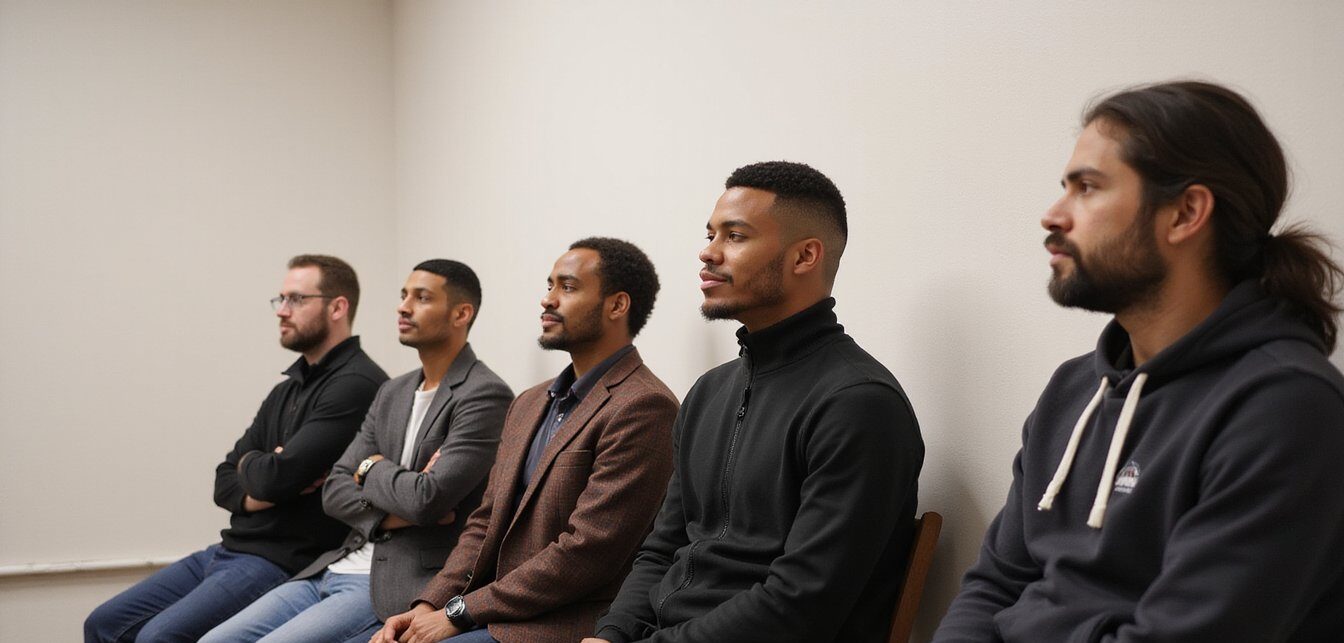
A Big Book AA meeting focuses specifically on studying Alcoholics Anonymous’s foundational text rather than open discussion or speaker presentations. You’ll find a highly structured format where participants read aloud together, typically from Chapter 5’s “How It Works,” then discuss how the material applies to their recovery. The twelve steps outlined in the text serve as your roadmap, and sharing stays rooted in the literature. Understanding each element helps you know exactly what to expect.
What Is a Big Book AA Meeting?

A Big Book AA meeting centers on studying the foundational text of Alcoholics Anonymous, guiding participants through its teachings from the prefaces to the appendices. You’ll find this format focuses specifically on reading, discussing, and applying the book’s content to your recovery journey.
Unlike other aa meeting types that emphasize open discussion or speaker presentations, a big book aa meeting prioritizes literature study. The twelve steps outlined in the text serve as your roadmap to recovery, and each session systematically covers the material. Meetings often feature readings from Chapter 5, “How it Works,” with members taking turns reading paragraphs aloud. The text emphasizes that half measures availed nothing and that members must fully commit to the program for it to work.
This structured approach helps you understand AA’s core principles through direct engagement with the source material. You’re not just hearing interpretations you’re examining the text yourself and discovering how its teachings apply to your everyday sobriety and long-term recovery goals. This structured approach helps you understand AA’s core principles through direct engagement with the source material. By understanding the aa big book, you’re not just hearing interpretations you’re examining the text yourself and discovering how its teachings apply to your everyday sobriety and long-term recovery goals.
How Big Book Meetings Open: Prayer, Silence, and Ground Rules
When you arrive at a Big Book AA meeting, the opening follows a consistent structure that creates a sense of safety and shared purpose. The chairperson introduces themselves by first name, identifies as an alcoholic, and welcomes everyone to the group. When you arrive at a Big Book AA meeting, the opening follows a consistent structure that creates a sense of safety and shared purpose. As you learn why is the big book called the big book, you’ll notice how this shared language and ritual including the chairperson introducing themselves by first name and identifying as an alcoholic reinforces unity and familiarity within the group.
Following this greeting, you’ll observe a moment of silence for personal reflection, then join in reciting the Serenity Prayer collectively. This aa group structure establishes the meeting’s spiritual foundation.
Next, the chairperson reads the AA Preamble and outlines ground rules. You’ll hear the Third Tradition stated: the only requirement for membership is a desire to stop drinking. This introduction format was made available by the 1987 General Service Conference as a standardized service piece for groups wishing to utilize it. In alcoholics anonymous meetings that are open, non-members may attend but typically don’t share. Discussion remains focused exclusively on alcohol-related concerns. The chairperson then reads “How It Works” from the AA Big Book to set the tone for the meeting ahead.
Reading the Big Book Aloud: The Heart of the Meeting

Once the meeting settles, the leader opens the Big Book and begins reading aloud, with participants taking turns reading paragraphs sequentially around the room. If you don’t have a copy of the book in front of you, you can simply say “pass” when your turn comes there’s no pressure to participate in the reading itself. This rotating style keeps everyone engaged with the text while creating a shared rhythm that grounds the group in AA’s foundational literature. The reading typically focuses on the current step being studied, followed by group discussion of the material.
Rotating Paragraph Reading Style
The rotating paragraph reading style brings structure and shared participation to Big Book meetings, allowing each member to engage directly with AA’s foundational text. In this big book meeting format, you’ll read one paragraph at a time before passing to the next person in sequence around the room.
The chairperson directs this rotation without interruption, maintaining steady momentum through the assigned pages. If you don’t have a book, you simply pass, and the flow continues unbroken. This approach guarantees everyone contributes equally while staying grounded in the text.
AA reading meetings typically pause after a page and a half for group discussion. You’ll share your reflections on what you’ve just read, connecting the material to your recovery experience. The meeting follows a 15-week rotation of Big Book step readings, ensuring systematic coverage of all the steps over time. These discussions help members explore the problems and solutions presented throughout the foundational text. This structure reinforces accountability and deepens your understanding of AA’s core principles through collective engagement.
Passing Without a Book
Not having a Big Book doesn’t mean you can’t participate in a Big Book meeting. When it’s your turn to read and you don’t have a copy, simply say “pass.” The leader moves to the next person without disruption.
This passing protocol supports accessibility across aa fellowship meetings and aa open meetings:
- You maintain full membership in the group without owning materials
- The meeting’s flow continues smoothly when you pass
- You’re still expected to engage during discussion portions
Research on group recovery dynamics shows that reducing barriers to participation strengthens commitment to sobriety. You shouldn’t feel pressure or shame about passing. Since there is no required format that all chairs must follow, groups naturally accommodate members who need to pass during readings. Whether you attend in-person, online, or on the telephone, the same welcoming approach applies to those without reading materials. What matters is your presence and willingness to reflect on the content others share aloud. Your voice in discussions holds equal value regardless of reading participation.
What the Leader Shares and Why It Matters
After the reading concludes, the leader shares their personal experience with the passage, offering honest reflections that connect the text to real-life recovery challenges. This share sets the discussion tone by demonstrating how to relate Big Book principles to everyday sobriety, giving you a framework for your own reflections. By modeling honest vulnerability, the leader creates a safe space where you feel encouraged to share openly and authentically with the group. Following established meeting guidelines, the leader typically shares from personal experience rather than offering advice or instruction to other members.
Personal Experience With Passage
Once the group finishes reading the selected passage, the meeting leader shares a 10-15 minute personal reflection that connects directly to the text. This share focuses on experience, strength, and hope not advice or unrelated stories. In AA literature meetings, this approach models how you can apply Big Book principles to real-life sobriety challenges.
The leader’s share typically includes:
- Experience: How the specific passage relates to their drinking or early recovery
- Strength: What actions they took based on the reading, such as working through resentment inventory
- Hope: The positive outcomes that resulted from applying these concepts
This structure sets a focused tone for recovery discussion groups that follow. By limiting content to passage-relevant material, the leader demonstrates practical application while protecting time for broader group participation. The goal is to create a respectful space where members feel comfortable connecting the text to their own lived experiences. Since meetings typically last around one hour, this focused approach ensures adequate time remains for group members to share their own reflections.
Setting the Discussion Tone
The meeting leader sets the discussion tone by laying out clear expectations before group sharing begins. You’ll notice effective leaders read the preamble, announce time guidelines, and establish policies like no crosstalk. This structure creates psychological safety that encourages honest participation in aa program meetings. When these elements are missing, chaos and disorganization can leave newcomers feeling unsafe and discourage them from returning.
| Leader Action | Impact on Group |
|---|---|
| States meeting format clearly | Reduces anxiety for newcomers |
| Models solutions-focused sharing | Guides others toward recovery themes |
Your tone as leader directly influences group sobriety support. When you demonstrate confidence rooted in program knowledge, you create an attractive atmosphere that draws members back. You’re not sharing personal opinions you’re serving the group’s collective welfare while maintaining focus on carrying AA’s core message to those who need it. Effective leaders arrive 20-30 minutes early to unlock doors, prepare the room, and make coffee, ensuring the space is ready to welcome members before the meeting begins.
Modeling Honest Vulnerability
When you lead a Big Book meeting, your willingness to share honestly about your own alcoholic experience creates the foundation for meaningful group discussion. Through vulnerability modeling, you demonstrate how the twelve steps apply to real recovery challenges. Your share connects directly to the passage you’ve just read, showing others how to relate literature to lived experience.
Effective leader shares in alcoholism support groups include:
- Revealing specific ways you’ve applied step principles from the Big Book
- Connecting your personal recovery journey to the chapter’s core message
- Demonstrating honest reflection without minimizing past struggles
Group Sharing: How Discussion Stays Rooted in the Text
Most Big Book meetings follow a structured sharing format that keeps discussion anchored to the text rather than drifting into unrelated topics. After the group reads a selected passage, you’re invited to share only about the material just covered. This text-centered discussion guarantees that twelve step meetings remain focused on AA’s foundational principles rather than becoming unfocused conversations.
You’ll typically have three minutes to share, with a timer keeping everyone accountable. If you exceed your time, the secretary will thank you and move to the next person. This approach isn’t meant to cut you off harshly it’s designed so everyone gets equal opportunity to participate.
Crosstalk isn’t permitted, meaning you won’t respond directly to another member’s share. Instead, you’ll reflect on how the reading connects to your own recovery experience.
How Big Book Meetings Close: Prayers, Promises, and Passing the Basket

As the meeting nears its end, the chairperson will announce that approximately five minutes remain, reserving this time specifically for newcomers who haven’t yet shared on the topic. This structure reflects how addiction peer support groups prioritize welcoming those early in recovery.
The closing sequence typically includes:
- Reading the Promises from pages 58-60 of the Big Book
- Passing the Seventh Tradition basket for voluntary contributions
- Reciting the Serenity Prayer or Lord’s Prayer together
In aa closed meetings, you’ll notice a moment of silence before the final prayer. The chairperson will remind everyone about available literature and meeting schedules. After the official close, members often linger for informal conversation, offering newcomers sponsorship information and answering questions about maintaining sobriety.
Frequently Asked Questions
Can I Attend a Big Book Meeting if I Don’t Own the Book?
Yes, you can absolutely attend a Big Book meeting without owning the book. These meetings prioritize inclusion over material requirements. If you don’t have a copy, you simply say “pass” when it’s your turn to read aloud. You’re still welcome to participate in discussions and share your experiences. Many groups expect newcomers won’t have the literature yet, so there’s no barrier to joining and benefiting from the meeting.
Are Big Book Meetings Appropriate for Someone Brand New to AA?
Big Book meetings can feel overwhelming if you’re brand new to AA. The format involves reading specific passages and discussing them, which may be harder to follow without prior exposure to the text or program basics. You’re welcome to attend, but you might benefit more from beginner or discussion meetings first. These focus on the first three Steps and offer more flexibility for newcomers still learning AA’s foundation.
Do I Have to Read Aloud if I’m Not Comfortable Speaking?
No, you don’t have to read aloud if you’re not comfortable. When it’s your turn, you can simply say “pass,” and the reading moves to the next person. This is a widely accepted practice, especially for newcomers or anyone without a book. AA meetings prioritize voluntary participation, so there’s no pressure or penalty for listening instead. You’re welcome to engage at your own pace.
How Is a Big Book Meeting Different From a Regular AA Discussion Meeting?
In a Big Book meeting, you’ll read passages directly from the text together as a group, then discuss what you’ve read. The leader reads first, others follow, and sharing ties specifically to that passage. In a regular discussion meeting, you won’t do group reading instead, you’ll share openly on a chosen topic without required literature. Both formats support recovery, but Big Book meetings keep the focus grounded in AA’s foundational text.
Can Family Members or Friends Attend Big Book Meetings for Support?
Yes, you can typically bring family members or friends to Big Book meetings for support. Most Big Book studies are designated as open meetings, which means non-alcoholics are welcome to attend. Your supporters can listen to readings and discussions, helping them better understand AA principles and your recovery journey. They’ll follow the same guidelines as other attendees listening respectfully without cross-talk and contributing to the 7th Tradition if they choose.