The most effective alcohol relapse prevention tools for sober living homes include structured relapse prevention plans, FDA-approved medications like naltrexone, remote breathalyzer monitoring, peer support groups, environmental controls, integrated mental health treatment, and recovery-oriented daily routines. Research shows structured plans can reduce heavy drinking odds by 77% at six months, while abstinence-based housing with zero-tolerance policies markedly improves outcomes. Each of these evidence-based strategies works together to build your layered defense system.
Structured Relapse Prevention Plans That Address Triggers and High-Risk Situations

A well-designed relapse prevention plan doesn’t just hope for the best it anticipates your toughest moments and arms you with specific strategies to navigate them. Research shows Relapse Prevention Therapy delivers a 77% reduction in heavy drinking odds at six months compared to standard counseling.
Your plan should include a thorough trigger inventory covering internal states like negative emotions and external factors like social pressure or certain locations. Through individualized therapist feedback, you’ll identify your unique chain of events leading to past drinking episodes. This strategic approach is tailored to individual circumstances, addressing the specific challenges and triggers unique to your recovery journey.
Effective plans incorporate customized homework assignments that help you practice coping skills in real-world situations. You’ll develop specific responses for each trigger type whether that’s urge surfing, contacting support, or leaving high-risk environments immediately. RPT typically involves 12 weekly sessions focused on identifying high-risk situations, developing coping skills, and implementing lifestyle changes to support lasting recovery.
FDA-Approved Medications for Alcohol Use Disorder
Beyond behavioral strategies and structured planning, medication can substantially strengthen your recovery foundation. Three FDA-approved options exist: naltrexone, acamprosate, and disulfiram. Naltrexone blocks opioid receptors that drive alcohol cravings, available as a daily pill or monthly injection. Acamprosate helps maintain abstinence you’ve already achieved, though its three-times-daily dosing creates medication adherence challenges. Disulfiram works as a deterrent, causing unpleasant reactions if you drink. First approved in 1949, disulfiram remained the only medication available for treating alcoholism for over 40 years.
Your medical team will consider your health history when recommending medications. Naltrexone isn’t suitable if you have liver disease or use opioids, while acamprosate requires kidney function monitoring. Medication assisted treatment integration works best in structured environments like sober living homes, where supervised administration improves consistency. Research shows naltrexone’s NNT is 18, and acamprosate’s is 11 meaningful reductions in relapse risk when combined with all-encompassing support. The once-monthly extended-release injection of naltrexone helps ensure patient compliance, reducing the potential for relapse compared to daily oral medications.
Remote Breathalyzer Testing and Accountability Monitoring Systems
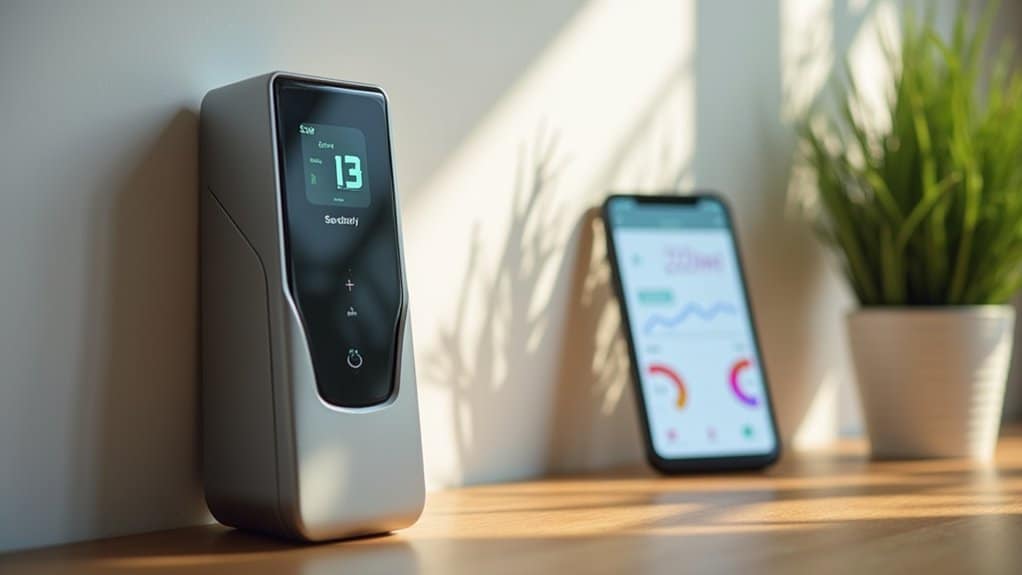
While medication provides internal support for recovery, external accountability tools offer another powerful layer of protection against relapse. Remote breathalyzer testing systems deliver real-time BAC data from any location, allowing you and your support team to respond promptly when concerns arise.
Modern devices use fuel cell sensors with accuracy around ±0.005 BAC comparable to law enforcement equipment. The technology reliability stems from integrated facial recognition cameras and GPS tracking, which verify your identity and reduce substitution risks. These systems send data wirelessly to cloud-based monitoring platforms where artificial intelligence analyzes testing patterns and generates compliance reports with visual icons. When a positive test occurs or identity cannot be verified, retesting occurs within 30 minutes to confirm results.
Research shows remote BAC monitoring increases treatment motivation and facilitates ongoing engagement through real-time feedback. These systems demonstrate proven scalability and operational deployment, having monitored tens of thousands of individuals since 2011 across clinical and legal settings.
Expert panels recommend monitoring for at least 12 months to support sustained recovery in sober living environments.
Peer Support Groups and Mutual-Help Programs
Because recovery thrives on human connection, peer support groups and mutual-help programs offer something medication and monitoring alone can’t provide shared understanding from people who’ve walked the same path. Research shows AA participation reduces relapse risk by approximately 35% compared to other treatments, while building essential recovery capital through relationships and community ties.
These programs strengthen your sobriety through:
- Social connection with others who understand addiction’s challenges, reducing isolation and depression
- Coping strategies shared by members for managing cravings and high-risk situations
- Accountability structures like regular meetings and step work that support long-term engagement
You’ll also benefit from improved treatment retention and better follow-through with outpatient appointments. Peer support creates ongoing contact beyond formal treatment, functioning as continuous care that keeps you connected to recovery long after discharge. Peer providers who share their own recovery experiences offer a unique ability to empathize and help you build skills for addressing specific recovery needs. Witnessing others overcome similar struggles helps sustain motivation during your most difficult moments and reinforces that lasting recovery is possible.
Environmental Controls and Substance-Free Living Policies
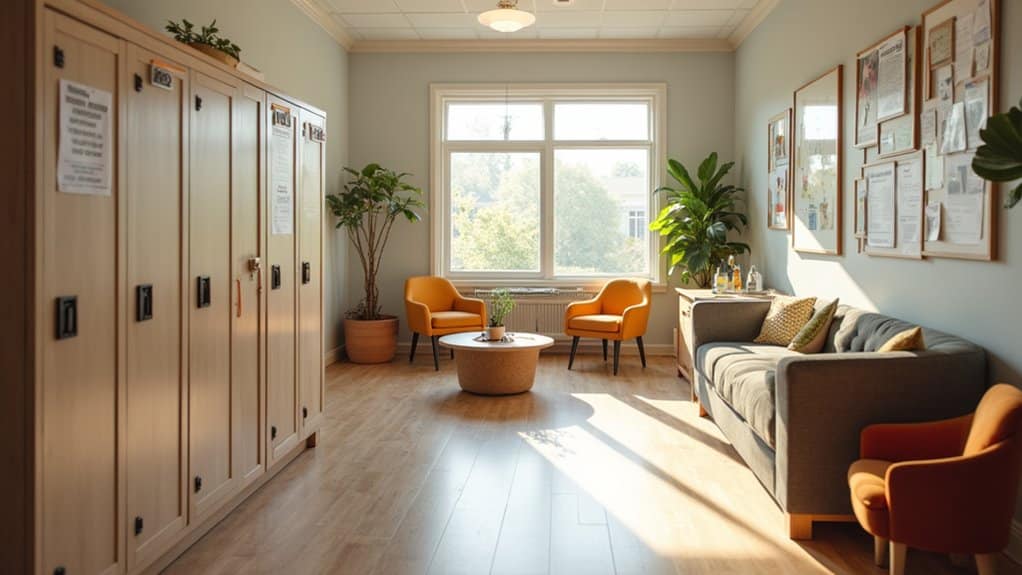
Where you live during recovery matters as much as who supports you research involving 557 sober living residents found that abstinence-based housing considerably increased percent days abstinent and reduced psychiatric symptoms over 12 months.
Your physical environment shapes daily choices. Homes with high-quality maintenance and shared social spaces strengthen recovery capital and support longer stays. Zero-tolerance policies, structured house rules, and consistent enforcement by house managers create accountability that drives better outcomes. Studies show that residents are twice as likely to complete treatment successfully when living in recovery housing compared to those who don’t.
Location matters too. Lower alcohol outlet density within one mile of your residence protects abstinence, while neighborhood zoning laws can limit exposure to triggering environments. Choosing certified residences through sober home certification programs guarantees consistent standards and oversight. Additionally, proximity to self-help groups within one mile serves as a protective factor for maintaining abstinence.
You’ll benefit from staying at least six months in structured housing this timeline correlates with 40 45% abstinence rates at 18 months compared to 25% for self-managed recovery.
Integrated Mental Health Treatment and Professional Counseling
Given that approximately 8.2 million adults in the U.S. struggle with co-occurring substance use and mental health disorders, you’d expect integrated treatment to be widely available yet less than 8% receive fully coordinated care.
Integrated mental health treatment represents the gold standard for addressing dual diagnoses. When you tackle depression, anxiety, and mood instability alongside addiction, you’re targeting the root causes of relapse risk. Since mental disorders typically onset around age 11 while substance use disorders develop around age 21, early psychiatric intervention can prevent the development of comorbid conditions.
Three evidence-based approaches strengthen your recovery:
- Cognitive behavioral therapy helps you identify and change dysfunctional thought patterns driving both substance use and psychiatric symptoms
- Dialectical behavior therapy builds emotional regulation and distress tolerance skills
- Interpersonal and Social Rhythm Therapy stabilizes mood through structured routines and relationship work
Research confirms that improving depressive symptoms during treatment produces dramatic reductions in alcohol use, making professional counseling essential for lasting sobriety. When seeking treatment, asking programs directly about their co-occurring services can help you identify providers that are well-equipped to deliver integrated care.
Daily Routines and Recovery-Oriented Lifestyle Practices
Building a recovery-oriented lifestyle means establishing daily habits that protect your sobriety while improving your overall well-being. Prioritizing sleep hygiene, regular exercise, balanced nutrition, and structured daily schedules creates a foundation that reduces idle time and strengthens your ability to manage cravings. These lifestyle practices work together to stabilize your mood, boost your energy, and give you the routine you need to stay focused on long-term recovery. Morning check-ins with house staff and peers provide essential communication and support that reinforce your commitment to these healthy daily practices. This structured approach is particularly critical since individuals in recovery often have 16-18 hours of new, unoccupied free time that must be filled with purposeful activities to prevent relapse.
Sleep Hygiene Essentials
How well you sleep can markedly shape your recovery from alcohol use disorder. Poor sleep increases cravings and undermines emotional regulation, while consistent, quality rest builds relapse resilience. Cognitive behavioral therapy for insomnia and mindfulness based techniques like progressive muscle relaxation can greatly improve your sleep outcomes. Research confirms that anxiety and depression symptoms are significantly correlated with deteriorated sleep quality, making mental health management an essential component of sleep hygiene in recovery.
Three essential sleep hygiene practices for your recovery:
- Maintain a fixed sleep schedule go to bed and wake at the same times daily, targeting 7 9 hours nightly to stabilize your circadian rhythm.
- Optimize your bedroom environment keep it dark, quiet, and cool (15 19°C), and remove screens to support natural melatonin production.
- Establish a wind-down routine spend 20 60 minutes on low-stimulation activities like journaling or guided imagery before bed to reduce physiological arousal.
Exercise and Nutrition Benefits
When you incorporate regular physical activity into your recovery routine, you’re tapping into one of the most effective natural tools for reducing alcohol cravings. Research shows that just 12 minutes of aerobic exercise can decrease alcohol urges by nearly 20%, with benefits lasting well beyond your workout.
Exercise serves as one of your most powerful emotional management strategies. Short aerobic bursts reduce negative mood and anxiety while improving your overall quality of life, energy levels, and body image.
Pairing physical activity with nutritious meal planning creates a foundation that supports lasting sobriety. Studies demonstrate that participants who attend supervised exercise sessions regularly reduce their weekly alcohol consumption by approximately 14 drinks compared to controls. You’ll also experience significant fitness improvements, including enhanced cardiovascular capacity that helps mitigate depression and anxiety symptoms during recovery.
Structured Daily Activity Schedules
Although exercise and nutrition form essential pillars of recovery, structured daily activity schedules provide the framework that holds these healthy practices together. Research shows structured sober living environments yield 40-45% abstinence rates at 18 months, compared to just 25% for self-managed recovery. Your daily routine reduces anxiety and eliminates idle time common relapse triggers.
Effective wellness programming includes these core elements:
- Morning anchors: Wake at a consistent time, practice meditation, and hydrate before breakfast
- Purposeful activities: Schedule work, meetings, or volunteer commitments during peak hours
- Evening wind-down: Maintain consistent sleep times to support circadian rhythm stability
When you combine structured schedules with medication protocols and regular meeting attendance, you’re building the discipline needed for lasting sobriety. Weekly 12-step participation links to nearly 78% abstinence rates at 24 months.
Frequently Asked Questions
How Long Should Residents Stay in Sober Living Homes for Best Outcomes?
You’ll see the best outcomes with an ideal stay duration of at least 90 days, though research shows 6 12 months delivers even stronger results. Staying longer helps you build substance-free networks, improve employment, and develop lasting relapse prevention strategies. While three months is the minimum effective baseline, many residents thrive with stays averaging 7 10 months. Your specific needs including addiction severity and mental health should guide your perfect timeline.
What Happens if Someone Relapses While Living in a Sober Home?
If you relapse in a sober living home, you’ll typically face an immediate safety assessment rather than punishment. Consequences of relapse vary some homes require temporary discharge for detox, while others adjust your treatment plan and increase support. Staff will educate you about lowered tolerance risks and strengthen relapse prevention strategies like more counseling, peer accountability, and 12-step involvement. Most programs view relapse as a clinical event, focusing on getting you back on track.
Are Sober Living Homes Covered by Health Insurance or Medicaid?
Most health insurance plans and Medicaid don’t cover sober living homes since they’re classified as housing rather than clinical treatment. Insurance coverage requirements typically focus on formal addiction services like therapy and rehab. Medicaid eligibility criteria vary by state, but direct payment for residence costs is rare. You can explore alternatives like sliding scale fees, SAMHSA grants, or facility-based scholarships. Contact your specific plan to verify any available supplementary housing benefits.
Can Family Members Visit Residents in Sober Living Homes?
Yes, you can visit your loved one in a sober living home, though you’ll need to follow scheduled visitation times established by the facility. Most homes require advance notice, approved guest lists, and proper identification. During the first 30 days, visits are typically limited to family or sponsors with staff supervision. Extended family support plays a vital role in recovery, so facilities encourage these connections while maintaining structure that protects residents’ progress.
How Do Sober Living Homes Differ From Inpatient Rehabilitation Programs?
Sober living homes are intermediary housing programs that offer moderate structure with house rules and peer accountability, while inpatient rehab provides 24/7 medical supervision and intensive therapy. You’ll find community based support and self-management in sober living rather than round-the-clock professional care. Inpatient programs typically last 30-90 days for acute stabilization, whereas sober living extends indefinitely, helping you practice recovery skills as you reintegrate into daily life.