If you’re seeking sobriety without faith-based elements, non-religious alcohol support groups like SMART Recovery, LifeRing, and SOS offer evidence-based alternatives to AA. These programs use cognitive behavioral therapy techniques and peer support without requiring belief in a higher power. Research shows they produce comparable outcomes to 12-step programs, with over 75% of participants reporting no problematic drinking at 12 months. Understanding which approach matches your needs can help you build lasting recovery.
Why AA Isn’t Right for Everyone
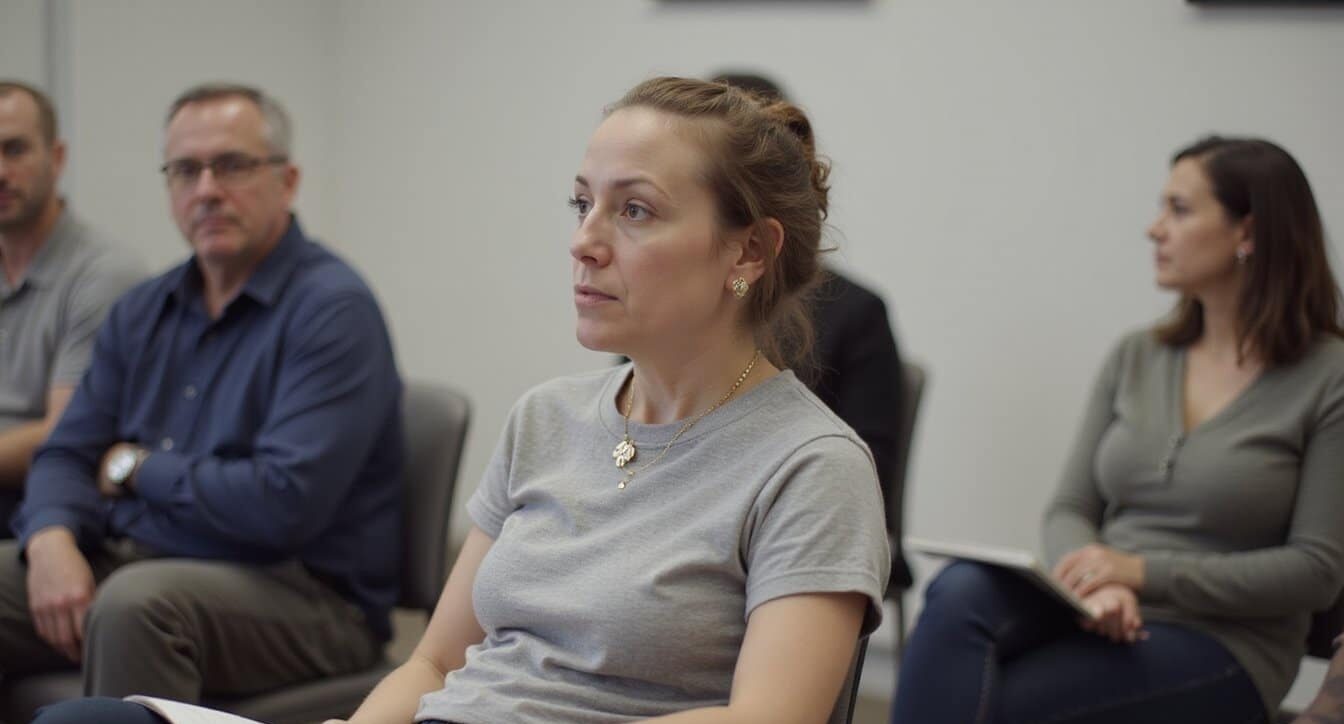
While Alcoholics Anonymous has helped millions of people achieve sobriety, it’s not the right fit for everyone. Research shows AA’s success rates vary dramatically from 5% to 75% depending on the study with many addiction specialists citing effectiveness around 8-12%. You might find these numbers comparable to spontaneous quitting rates.
The program’s faith-based elements present a significant barrier for many seeking recovery. If you don’t connect with spiritual frameworks or higher-power concepts, you may feel alienated rather than supported. Studies indicate 40% of attendees drop out within the first year. Many struggle to accept a religion-based approach for a condition that has neurological and behavioral components requiring evidence-based treatment.
That’s why non-religious alcohol support groups have gained traction. Secular alcohol support groups and non faith based recovery programs offer evidence-based alternatives that respect your personal beliefs while providing the community accountability essential for lasting sobriety.
Secular Alternatives: SMART Recovery, LifeRing, and More
SMART Recovery stands as one of the most established secular alternatives to traditional 12-step programs. If you’re seeking alcohol recovery without religion, this evidence-based approach uses Cognitive Behavioral Therapy and Rational Emotive Behavioral Therapy to help you develop practical coping skills. You’ll work through a 4-point program addressing motivation, urges, emotional management, and balanced living. SMART Recovery stands as one of the most established secular alternatives to traditional 12-step programs. If you’re seeking alcohol recovery without religion, this evidence-based approach uses Cognitive Behavioral Therapy and Rational Emotive Behavioral Therapy to help you build practical coping skills. The benefits of alternative support groups include structured tools, self-empowerment, and flexible participation models. You’ll work through a 4-point program addressing motivation, urges, emotional management, and balanced living.
| Program | Approach | Key Feature |
|---|---|---|
| SMART Recovery | CBT/REBT-based | 4-point skill-building system |
| LifeRing | Personal empowerment | Convenor-led peer discussions |
| SOS | Self-reliance focused | No spiritual requirements |
These non religious alternatives to AA emphasize self-empowerment over surrender. LifeRing’s secular sobriety model centers on your personal choices and beliefs. Research shows SMART Recovery produces outcomes comparable to AA, with participants reporting improved anxiety, depression, and quality of life. A longitudinal cohort study is currently examining outcomes across four groups SMART, AA, SMART+AA, and Neither with assessments spanning 24 months to better understand real-world patterns of utilization and benefits. SMART Recovery adopts a non-disease model perspective, viewing addiction as a maladaptive behavior pattern that can be changed rather than a lifelong illness.
Do Secular Support Groups Work as Well as AA?

Research consistently shows that secular support groups produce outcomes comparable to traditional 12-step programs like AA. Studies published in the Journal of Substance Abuse Treatment found similar abstinence rates between secular addiction recovery programs and 12-step meetings, with higher satisfaction reported among atheists and agnostics.
When you engage actively in sober support groups whether SMART Recovery, LifeRing, or Women for Sobriety you’ll find that over 75% of participants report no problematic drinking at 12 months. More than 55% achieve total abstinence. Research shows secular programs may have lower relapse rates compared to traditional 12-step meetings due to their evidence-based methodologies.
The critical factor isn’t which program you choose; it’s your level of involvement. Peer sobriety support works when you participate consistently. Matching your personal beliefs to your group’s philosophy increases engagement and improves outcomes like days sober. Beyond just attending meetings, building close friendships, finding a sponsor, and doing service work within your group leads to significantly better alcohol outcomes. Finding an online alcohol support group can provide additional resources and a sense of community, especially for those who may feel isolated. These groups often offer flexible meeting times and a diverse range of experiences that can enhance your understanding of recovery. Engaging in online discussions can also help you stay motivated and accountable on your sobriety journey.
Which Secular Recovery Group Fits Your Approach?
Choosing the right secular recovery group often comes down to how you prefer to work through challenges and what kind of support resonates with your personality. Faith free recovery options vary considerably in their methods, philosophies, and flexibility. smart recovery and rational recovery are two popular options that cater to different approaches in overcoming addiction. While smart recovery focuses on self-empowerment and evidence-based techniques, rational recovery emphasizes cognitive tools and personal responsibility. Understanding these distinct philosophies can help individuals make informed decisions about the support that aligns with their values and recovery goals.
| Group | Best For | Approach |
|---|---|---|
| SMART Recovery | Those who want CBT-based tools | Science-driven skill building |
| LifeRing | Self-directed individuals | Empowering your sober self |
| Women for Sobriety | Women seeking gender-specific support | Emotional growth focus |
| SOS | Those wanting simple abstinence focus | Autonomous peer meetings |
| Moderation Management | People exploring controlled drinking | Flexibility in goals |
Recovery inclusivity matters when selecting non spiritual recovery programs. Consider whether you thrive with structured techniques or prefer peer-led discussions. Research shows that SMART Recovery participants experience benefits including improved mental health and stronger social connections alongside successful reduction and abstinence.
Getting the Most From Non-12-Step Meetings

Once you’ve identified a secular recovery group that matches your approach, the next step involves showing up with intention. Arrive early to help with setup and connect informally with other members. Review meeting formats beforehand and set specific goals, like identifying one actionable coping strategy per session.
During meetings, engage actively by sharing experiences using evidence-based tools like cost-benefit analysis. Practice active listening and volunteer for peer support roles to strengthen accountability within your sobriety communities. These mutual help alternatives avoid religious content, which may attract those deterred by quasi-religious approaches found in traditional programs.
Building connections extends beyond meetings. Exchange contact information, join affiliated online forums, and attend workshops. Addiction recovery without god works best when you’re consistently present and engaged. Research shows that non-12 step MHGs like SMART Recovery demonstrate promise as effective alternatives, though more studies are needed. Track your progress weekly, including abstinence days and meeting satisfaction. This addiction support without faith approach doubles abstinence rates with regular participation.
Frequently Asked Questions
Can I Attend Both AA and Secular Support Groups at the Same Time?
Yes, you can absolutely attend both AA and secular support groups simultaneously. Research shows 19 25% of people in recovery do exactly this. Neither approach prohibits dual attendance, and many find the combination beneficial. You’ll gain different tools AA offers widespread availability and community, while secular groups like SMART or LifeRing emphasize self-empowerment and cognitive strategies. Choose what supports your recovery best; there’s no requirement to pick just one.
Are Non-Religious Support Groups Available in Rural Areas or Small Towns?
In-person non-religious support groups are limited in rural areas and small towns due to low population density. However, you can access robust online alternatives that bridge this gap. SMART Recovery, LifeRing, and SOS offer virtual meetings connecting you with supportive communities regardless of location. HAMS and Women for Sobriety provide phone support, message boards, and online chats. Research shows these online options effectively increase abstinence rates and improve recovery outcomes for remote participants.
How Do Secular Groups Handle Crisis Situations or Relapse Emergencies?
You’ll find secular groups offer practical, evidence-based crisis support. SMART Recovery teaches urge surfing and ABC analysis for immediate intervention. LifeRing provides 24/7 online access to reinforce your sober self during vulnerable moments. Women for Sobriety maintains round-the-clock message boards and phone support. SOS emphasizes acknowledging addiction to break relapse cycles. These groups focus on actionable coping tools and peer encouragement rather than spiritual surrender, helping you manage emergencies through self-empowerment and shared experience.
Do Non-Religious Support Groups Offer Sponsorship or Mentorship Programs?
Most non-religious support groups don’t offer traditional sponsorship programs like 12-step models do. Instead, you’ll find peer-based support structures that emphasize collective accountability. SMART Recovery encourages members to exchange contact information and support each other without formal mentor hierarchies. LifeRing and similar secular programs promote self-empowerment through group dynamics rather than one-on-one sponsor relationships. Research shows these peer networks can effectively provide the connection and guidance you need for sustained recovery.
Are Secular Recovery Groups Safe for Lgbtq+ Individuals Seeking Sobriety Support?
Yes, secular recovery groups often provide safer spaces for LGBTQ+ individuals. You’ll find that programs like SMART Recovery offer non-judgmental, inclusive environments without the religious messaging that can conflict with your identity. Many groups host LGBTQ+-specific meetings where you can address unique challenges like discrimination and stigma. Research shows inclusive environments improve recovery outcomes, and you’ll benefit from evidence-based approaches like CBT alongside affirming peer support from others who understand your experiences.