You can substantially improve your recovery odds by combining sober living’s structured environment with proven cocaine relapse prevention strategies. Start by building a written relapse-prevention plan with emergency contacts and coping techniques. Surround yourself with recovery-focused peers research shows this reduces relapse risk by 35%. Practice cognitive-behavioral skills daily, identify your personal triggers, and follow consistent house routines. Committing to long-term continuing care and addressing co-occurring mental health issues will strengthen your foundation for lasting sobriety.
Build a Written Relapse-Prevention Plan Before You Move In
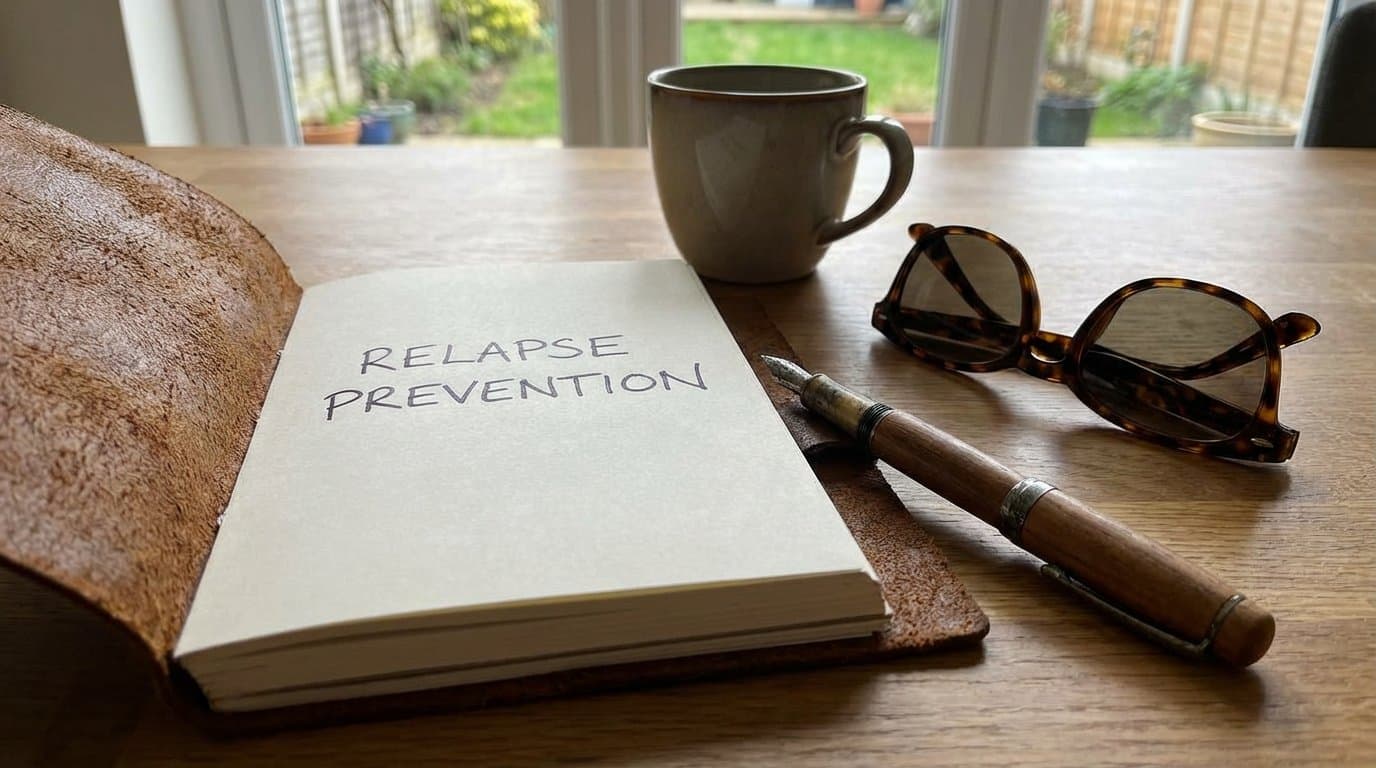
Before you return into everyday life, creating a written relapse-prevention plan gives you a concrete roadmap for traversing the challenges ahead. When you develop aftercare strategies proactively, you’re better equipped to handle triggers before they escalate.
Start by identifying your personal triggers both internal ones like cravings and negative emotions, and external ones such as specific locations or social situations. Use a journal or mobile app to track patterns and early warning signs. Understanding that relapse is a 3-stage process beginning with emotional dysregulation before any physical use occurs can help you recognize warning signs earlier.
Work with your counselor to craft a customized plan that includes emergency contacts, crisis intervention steps, and specific coping techniques like urge surfing or the HALT method. Define short-term goals such as daily mindfulness practice, and establish long-term objectives like rebuilding relationships. Review and adjust your plan weekly.
Surround Yourself With Recovery-Focused Peers
Your written relapse-prevention plan provides the framework, but the people around you bring that plan to life. Research shows that abstinence oriented social networks predict longer treatment retention and stronger recovery outcomes. Conversely, friend networks involving substance use increase your relapse risk by 3.5 times compared to supportive connections.
Recovery focused peer relationships offer measurable protection. Participation in peer support reduces relapse risk by 35% and can double your likelihood of sustained sobriety. You’re also 40% more likely to remain in aftercare when engaged with recovery peers. The mutual aid model thrives on the Helper Therapy Principle, where supporting others in their recovery directly strengthens your own sobriety.
Quality matters more than quantity. Seek relationships that reinforce your commitment to change rather than simply expanding your social circle. In sober living, you’ll find housemates who understand your struggles and can model long-term recovery, creating daily accountability that strengthens your prevention plan. Research on peer-support community programmes for individuals recovering from substance addictions found significant improvements in social support alongside reduced relapse rates.
Practice Cognitive-Behavioral Coping Skills Daily

While supportive relationships strengthen your recovery foundation, cognitive-behavioral coping skills give you practical tools to navigate daily challenges without cocaine. These techniques help you bolster introspective thinking by identifying and challenging distorted thoughts that trigger cravings.
Start by writing down negative thoughts like “I can’t handle stress without using.” Then examine the evidence and replace these beliefs with realistic alternatives. This process helps you cultivate positive self talk and recognize early warning signs before they escalate. Cognitive restructuring allows you to challenge and replace these distorted thoughts with rational, evidence-based alternatives.
Practice refusal skills through role-playing high-risk scenarios. Develop personalized coping plans that include breathing exercises, mindfulness techniques, and problem-solving strategies. Schedule rewarding activities that reinforce your commitment to sobriety.
Daily rehearsal builds impulse control and emotional regulation, making these skills automatic when cravings strike unexpectedly.
Identify and Avoid High-Risk Triggers in Your Environment
Understanding your unique triggers is essential for building a solid relapse prevention plan. You can start by mapping the specific people, places, objects, and emotions that have historically activated your cravings research shows that environmental cues like former use locations, drug paraphernalia, and even certain social situations can subconsciously reignite the urge to use. Negative emotions like stress, loneliness, and boredom are among the most common triggers that can lead to cocaine relapse. Being hungry, angry, lonely, or tired known as HALT states can increase impulsivity and reduce your ability to cope with stress, making you more vulnerable to cravings. Once you’ve identified these high-risk factors, you’ll be equipped to create clear environmental boundaries that protect your recovery.
Map Your Personal Triggers
Mapping your personal triggers forms the foundation of an effective relapse prevention plan, because you can’t avoid what you haven’t identified. You’ll need to identify personal relapse red flags across multiple categories to build detailed awareness. Research shows that 40-60% of individuals relapse within one year post-treatment, often due to unrecognized triggers.
| Trigger Category | Examples to Track |
|---|---|
| Emotional | Anxiety, boredom, loneliness |
| Environmental | Past-use locations, bars, specific neighborhoods |
| Social | Friends who use, celebrations |
| Situational | Cash availability, paraphernalia, alcohol |
Once you’ve documented your patterns, commit to implementing relapse prevention measures tailored to your specific vulnerabilities. Sober living homes provide a safe and secure environment that helps you manage these relapse triggers while practicing avoidance strategies daily. Track mood swings, declining self-care, and sleep changes these behavioral warning signs often precede physical relapse and deserve immediate attention. Studies confirm that depressive symptoms, stress, and drug craving are clinical factors that significantly predict future relapse risk, making their identification essential to your recovery plan.
Create Environmental Boundaries
Your environment shapes your recovery more than willpower alone research demonstrates that enriched, positive surroundings during abstinence markedly reduce both cue-induced and stress-induced cocaine seeking. Studies show that 30 days in enriched environments dramatically decrease relapse behaviors, with statistical effects confirming reduced drug-seeking responses (F(1,18)=15.53, p<0.01).
You’ll want to physically separate yourself from locations, people, and objects associated with past cocaine use. These contextual cues trigger powerful approach behaviors that undermine recovery efforts. Sober living homes provide this separation naturally.
Replace high-risk situations with structured routines and positive recreational activities. Research confirms that complex, stimulating environments alter brain reactivity to drug cues, fundamentally rewiring your response patterns. Studies also show that environmental enrichment during early stages of life reduces the long-term effects of cocaine exposure. Social isolation worsens sensitization, while supportive housing protects against relapse triggers. These enriched environments work by promoting neuronal plasticity in brain regions involved in addiction, including changes in synaptic function and gene transcription. Your recovery environment isn’t just helpful it’s foundational to lasting sobriety.
Follow Structured Routines and House Rules Consistently

When you’re recovering from cocaine addiction, establishing a predictable daily structure at home serves as one of your most powerful protective tools. Consistent wake-sleep schedules stabilize your circadian rhythms, reducing craving intensity and improving impulse control. Daily structure enforcement through fixed times for meals, therapy, and support meetings eliminates unstructured idle time a common relapse trigger.
House rules strengthen your recovery foundation. No-drug policies backed by accountability monitoring through random testing support abstinence effectively. Clear consequences for violations reinforce abstinence-supporting habits, while mandatory attendance at therapy and self-help groups nearly doubles your likelihood of achieving sustained sobriety. Research shows that treatment stays of 90 days or longer substantially reduce relapse rates, making extended commitment to structured sober living environments essential for lasting recovery.
Embed CBT-based homework, trigger logs, and daily craving management into your routine. Regular check-ins rating your stress and mood help identify high-risk situations before they escalate into relapse. Incorporating cognitive behavioral therapy techniques helps you develop essential skills to manage high-risk situations and learn effective relapse prevention strategies.
Commit to Long-Term Continuing Care and Regular Monitoring
Because cocaine addiction follows a chronic, relapsing course much like diabetes or hypertension you’ll need ongoing management that extends well beyond your initial treatment phase. Research shows that engagement in continuing care for 12 months or longer considerably reduces relapse rates. Your multidisciplinary care team should coordinate regular check-ins, drug testing, and symptom tracking to catch warning signs early. Sober living homes provide access to treatment resources that make this ongoing monitoring more accessible and consistent.
Long-term recovery from cocaine addiction requires ongoing care at least 12 months of continuing support significantly lowers your relapse risk.
A holistic health approach integrates therapy with sober living support:
- Schedule consistent follow-up visits to monitor cravings and mood changes
- Maintain weekly individual or group counseling sessions
- Coordinate care between your therapist and sober living staff
- Update your written relapse prevention plan regularly
- Step down treatment intensity gradually rather than stopping abruptly
This structured monitoring keeps you accountable while building the skills you’ll carry into independent recovery.
Address Mental Health and Legal Issues Alongside Addiction Treatment
Although cocaine addiction rarely exists in isolation, the high rates of co-occurring mental health conditions make integrated treatment essential for lasting recovery. Research shows 73.5% of treatment-seeking cocaine users have lifetime mental health diagnoses, with depression and anxiety risks tripling and doubling respectively among current users.
Holistic treatment approaches work best because mental health problems directly correlate with cocaine dependence severity. When you address depression, anxiety, or bipolar disorder alongside addiction, you’re tackling interconnected issues that fuel relapse.
Don’t overlook legal consequences mitigation either. Approximately 18% of individuals face arrest within five years post-treatment, but extensive programs greatly reduce criminality. Sober living homes that connect you with legal resources and mental health services create stability you need. By treating the whole person, you build a foundation where recovery becomes sustainable.
Frequently Asked Questions
How Long Should I Stay in a Sober Living Home for Cocaine Recovery?
You should plan to stay at least 90 days, though the recommended sober living duration for cocaine recovery is typically 6 12 months for the best outcomes. Research shows the typical sober living length of 6+ months is associated with 70 80% sobriety success rates, while shorter stays often fall below 50%. Since cocaine recovery frequently involves multiple attempts, extending your stay gives you stronger support networks and considerably reduces your relapse risk.
What Happens if I Relapse While Living in a Sober Living Home?
If you relapse in a sober living home, you’ll typically face immediate consequences under resident accountability policies. Most facilities enforce zero-tolerance rules, which often means eviction to protect other residents’ recovery. However, following the relapse disclosure protocol by being honest with staff may open doors to treatment readmission 26.5% of individuals reenter treatment after relapse. Don’t lose hope; this setback can redirect you toward more effective care addressing your specific needs.
Are There Medications That Can Help Prevent Cocaine Relapse?
No FDA-approved medication currently exists specifically for cocaine relapse prevention, but some options show promise as part of medication assisted treatment. Topiramate has demonstrated significant results in clinical trials, helping more people maintain abstinence when combined with therapy. While long term maintenance therapy isn’t established like it is for opioids, your treatment team can explore off-label options tailored to your needs. Behavioral therapies remain the foundation, with medications serving as supportive tools.
How Do Sober Living Homes Handle Random Drug Testing for Residents?
Sober living homes use surprise drug screenings to keep you accountable without advance warning, which helps deter substance use. Staff typically schedule these through random date generators, and you’ll have 90 minutes to provide a specimen. Frequent rehabilitation evaluations combine these unannounced tests with scheduled check-ins, creating a supportive structure. Research shows this consistent monitoring approach contributes to 42% lower relapse rates, helping you maintain your recovery momentum while building lasting sobriety skills.
Can Family Members Visit Me While I’m in a Sober Living Home?
Yes, most sober living homes allow family visits, though visitation policies vary by facility. You’ll typically need to get advance approval, schedule visits during designated hours, and add family members to an approved guest list. Family involvement supports your recovery, but expect stricter rules during your first 30 days. Your visitors must arrive sober and follow house rules. Check with your house manager about specific guidelines for your home.