You can strengthen your recovery in sober living by building daily habits that research shows actually reduce relapse risk. The most effective relapse prevention activities include following structured daily schedules with consistent wake times, practicing mindfulness techniques like urge surfing to ride out cravings, attending peer support meetings regularly, incorporating physical exercise to manage anxiety and boost mood, and tracking your triggers in a daily log. Each of these strategies offers specific tools you’ll want to understand more deeply.
Structured Daily Schedules and Written Prevention Plans
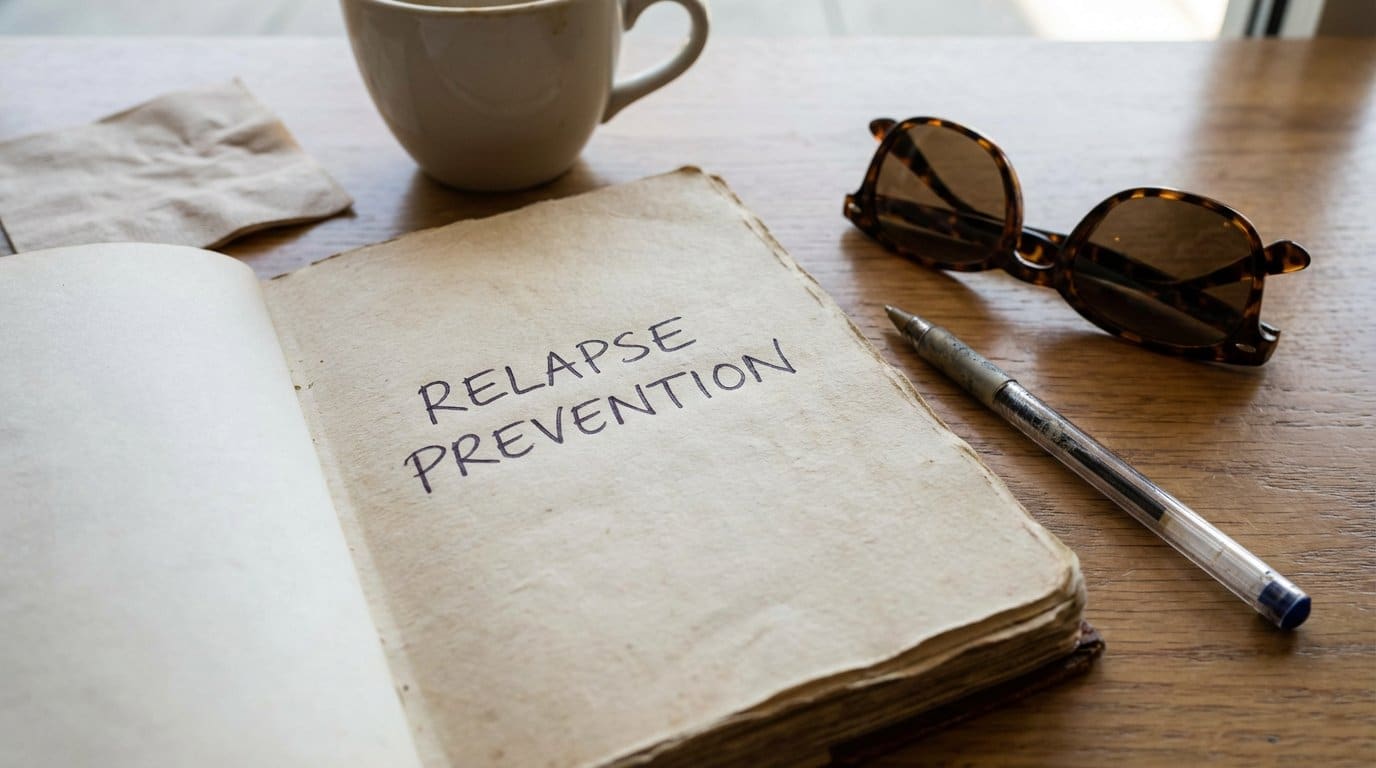
When you’re traversing early recovery in sober living housing, a structured daily schedule becomes one of your most powerful tools against relapse. Research shows that six-month stays in structured environments yield 68% abstinence rates at follow-up, while enforced routines increase your likelihood of long-term sobriety by 65%.
Your written schedule should include consistent wake-up times around 7:00 AM, group meals that foster accountability, and designated household chores that build responsibility. These assigned tasks aren’t busywork they reduce stress, eliminate boredom, and prevent the idle time that triggers cravings. Living with peers in recovery creates a built-in support network that reinforces your daily structure through shared experiences and mutual accountability.
Family involvement strengthens your prevention plan when relatives understand your daily structure. Written schedules enhance time management skills you’ll carry beyond treatment, transforming recovery from overwhelming to manageable through clear, achievable daily goals. This consistency helps rewire old patterns, replace self-destructive habits, and cement healthy coping strategies that protect against relapse.
Mindfulness-Based Coping Skills and Urge Surfing Techniques
Beyond the structure of daily schedules and written plans, you’ll need internal tools to manage the cravings that inevitably arise during recovery. Mindfulness-based coping skills offer proven distress tolerance practices that reduce relapse rates by up to 31% compared to standard treatment.
These techniques support emotion regulation development through:
- Noting and naming thoughts, emotions, and sensations to create distance from urges
- Mindful breathing for 3 5 minutes to decrease acute craving intensity
- Body scans to detect early physiological warning signs like tension or restlessness
- Urge surfing to observe cravings as waves that rise, peak, and naturally fall
You don’t fight cravings you watch them with curiosity. Research shows this approach weakens the automatic link between feeling an urge and acting on it, strengthening your capacity for skillful responses. Practicing self-compassion and non-judgment during challenging moments reduces feelings of guilt or failure that can otherwise trigger the abstinence violation effect and lead to full relapse. This matters significantly given that relapse rates exceed 60% within the first year following substance use disorder treatment, making these mindfulness tools essential for long-term recovery success.
Peer Support Meetings and Recovery Mentor Relationships

Although internal coping skills form a critical foundation, peer support meetings and recovery mentor relationships provide the external accountability and connection that dramatically improve your odds of staying sober. Research shows peer support participation increases your likelihood of maintaining sobriety by 45% compared to recovery without these connections.
Your sober living community engagement creates mutual accountability that reinforces abstinence-focused norms daily. Regular meeting attendance demonstrates a dose-response effect the more you participate, the higher your abstinence rates. Recovery mentors help you develop stronger self-efficacy and coping skills while reducing shame and isolation. Peer mentors are meticulously selected and trained to handle various situations that may arise in transitional housing settings, ensuring you receive guidance from qualified individuals who understand your journey.
Emotional processing workshops within peer settings address craving and emotion regulation, two critical relapse triggers. Peer-delivered support also improves treatment adherence and completion rates, which directly correlates with better long-term outcomes. The benefits extend beyond receiving help, as facilitators experience mutual gains in self-esteem, confidence, and coping abilities through their supportive roles.
Physical Exercise and Healthy Lifestyle Routines
Physical exercise serves as one of the most powerful relapse-prevention tools you’ll find in your recovery toolkit. Research shows that even brief 10-minute bouts of moderate activity can reduce acute urges to drink. Regular workouts elevate endorphins, ease anxiety, and help regulate your sleep patterns all factors that lower relapse risk.
Physical exercise is one of the most powerful relapse-prevention tools in your recovery toolkit.
When you combine exercise with nutritious meal planning, you’re building a recovery-oriented lifestyle that reinforces your identity as a healthy, active person. This matters because individuals with SUDs often struggle with appetite loss and frequent consumption of unhealthy foods, making intentional nutrition planning essential for recovery.
Consider incorporating these recreational activities into your routine:
- Brisk walking or jogging for mood enhancement and craving management
- Group fitness classes that provide accountability and social support
- Bodyweight exercises you can do anywhere without equipment
- Structured outdoor activities that fill your day with constructive engagement
About 85% of people in treatment welcome exercise discussions you’re not alone in this approach. Research indicates that walking is the most preferred exercise among those recovering from alcohol dependence, making it an accessible starting point for building your fitness routine.
Trigger Tracking and Environmental Safety Strategies

When you understand what triggers your cravings, you gain the power to interrupt the relapse cycle before it starts. Daily trigger logs help you record the time, place, people, and emotional state surrounding each craving. By categorizing triggers as internal (emotions, thoughts, physical states) or external (people, places, situations), you can develop targeted prevention strategies.
Routine data review with your counselor or peer mentor allows you to refine your relapse prevention plan based on real patterns rather than assumptions. This collaborative approach is especially important because anxiety symptoms may temporarily increase during early recovery as your brain adjusts to functioning without substances.
Environmental safety matters equally. Your sober living home should conduct formal assessments covering substance access points and high-risk neighborhood features. Targeted visual shielding like blinds, landscaping, or alternate walking routes blocks sensory cues from nearby liquor stores or party houses. Research shows strictly monitored substance-free environments achieve approximately 42% lower relapse rates than relaxed settings. In cities like Baltimore, where fentanyl drives most overdose fatalities, environmental safety planning becomes even more critical for protecting residents from exposure to high-risk situations.
Frequently Asked Questions
What Happens if I Relapse While Living in Sober Housing?
If you relapse while in sober housing, you’ll likely face consequences of relapse that vary by program ranging from drug testing and increased requirements to temporary or permanent discharge, especially if others’ safety is at risk. However, support available after relapse typically includes clinical re-evaluation and referrals to detox or higher-level care. Remember, relapse signals a need for more intensive help, not personal failure. Your team can help you find the right next steps.
How Long Should I Stay in Sober Living for Best Results?
For best results, you’ll want to stay at least 90 days, though research shows longer stays of 6-12 months yield even better outcomes. Your ideal length of stay depends on your unique situation including relapse history, support system, and personal progress. Program requirements vary by facility, so discuss your goals with staff. You’re encouraged to remain until you feel confident maintaining sobriety independently.
Can I Take Prescribed Medications While in Sober Living Housing?
Yes, you can typically take prescribed medications while in sober living housing. Most homes allow prescriptions but require you to disclose them to staff and follow specific storage rules. You’ll want to discuss your prescribing protocols with both your provider and house management, especially regarding medication interactions with your recovery plan. Some homes have restrictions on certain controlled substances, so ask about their specific policies before admission.
How Do Sober Living Homes Handle Residents With Co-Occurring Mental Health Disorders?
Sober living homes support you through connections to outpatient mental health treatment, therapy sessions, and psychiatric care. Staff provide peer support and accountability for dual diagnosis support challenges, while you can engage in 12-step and peer groups addressing both conditions. Research shows residents experience decreased psychiatric symptoms and longer abstinence when receiving integrated care combining counseling, medication management, and trauma-informed approaches tailored to your unique co-occurring needs.
What Is the Typical Cost of Sober Living Housing Programs?
You’ll typically pay monthly rental fees ranging from $450 to $2,500, depending on whether you choose shared or private accommodations. Program membership costs generally run $500 to $2,000 monthly and often include utilities, furnishings, drug testing, and peer support. If you’re facing financial barriers, don’t worry many facilities offer sliding scale fees, scholarships, and payment plans to help you access the recovery support you need.